In a world increasingly driven by environmental consciousness, sustainability startups stand at the forefront of a transformative era. These ventures aren’t just riding a wave of eco-consciousness; they’re pioneering a crucial shift towards a more sustainable future. Yet, for all their promise, these startups often find themselves navigating a labyrinth of biases in the investment world. To thrive, they need to skillfully address these challenges while showcasing their unique value.
The investment bias: A hurdle to overcome
Imagine walking into a boardroom filled with traditional investors, their eyes scanning your pitch deck with skepticism. It’s a scene all too familiar for many sustainability startups. Traditional investment models, which emphasize short-term returns and conventional metrics, often clash with the long-term, impact-focused goals of these ventures. The bias against sustainability startups isn’t just about numbers—it’s rooted in deeper perceptions and market uncertainties.
Investors might view these startups as high-risk ventures, their innovative approaches and unproven business models casting shadows of doubt. For many, the complexities of measuring success extend beyond simple profit and loss statements. How does one quantify the reduction of a carbon footprint or the enhancement of social equity? The traditional metrics of financial success seem inadequate in capturing the full value of these startups.
Moreover, the sustainability market is still in its formative stages, marked by unpredictable consumer demand and evolving regulatory landscapes. This uncertainty can make investors wary, preferring the predictability of established industries. The long-term vision of sustainability startups, while commendable, often contrasts sharply with the investor’s desire for quicker returns.
Navigating Bias: Strategies for success
Yet, amidst these challenges, there are paths to success. Picture a sustainability startup not just as a business, but as a storyteller, weaving a narrative that resonates with investors. The first step in this journey is to clearly articulate the value your startup brings to the table. This isn’t just about showcasing your product; it’s about painting a vivid picture of how your solutions tackle pressing environmental issues and contribute to a broader mission.
In this narrative, robust impact metrics become crucial characters. These aren’t mere statistics but a testament to your startup’s alignment with global sustainability goals. Through data and compelling case studies, you can illustrate how your business model delivers tangible, positive outcomes for both society and the environment.
Building strategic partnerships adds another layer to your story. By aligning with established companies, NGOs, or industry leaders, you not only enhance your credibility but also expand your network. These alliances act as endorsements, validating your startup’s potential and opening doors to new opportunities.
Highlighting early wins can serve as powerful plot twists in your narrative. Whether it’s a successful pilot project, a glowing customer testimonial, or favorable media coverage, these milestones can build investor confidence. They demonstrate that your ideas are not just theoretical but are already making waves in the real world.
Education plays a key role in reshaping perceptions. Investing time in educating potential investors about the sustainability sector can shift their perspectives. Hosting webinars, attending industry conferences, and engaging in thoughtful discussions can reveal the evolving landscape and the immense opportunities it holds.
Finally, tailor your pitch to address the specific concerns and interests of each investor. Just as a good storyteller knows their audience, understanding the investment strategy and criteria of your potential backers can significantly enhance your pitch’s effectiveness.
Capitalizing on green dreams: Innovative approaches to funding sustainability startups
Securing investment for sustainability startups requires more than traditional approaches; it demands innovative strategies that align with the unique nature of these ventures. Here’s how to capture the imagination and commitment of forward-thinking investors:
1. Embrace the visionary narrative: Investors are drawn to compelling stories that connect with their values. Craft a narrative that not only outlines your startup’s environmental impact but also paints a picture of how it fits into the broader vision of a sustainable future. Show them how your startup is not just a business but a movement towards global change.
2. Leverage impact metrics: Demonstrate your startup’s impact with clear, persuasive metrics that resonate with the investor’s desire for meaningful results. Use data to illustrate not just financial potential but also how your solutions contribute to measurable environmental and social benefits.
3. Seek out impact-driven investors: Focus on investors who are committed to sustainability and social impact. These may include venture capital firms specializing in ESG criteria, impact investors, or funds dedicated to sustainable development. Tailor your pitch to align with their specific interests and investment criteria.
4. Network in green circles: Build relationships within the sustainability and impact investing communities. Attend industry conferences, participate in green innovation hubs, and engage in discussions with thought leaders. Networking within these circles can lead to introductions and referrals to investors who share your vision.
5. Participate in accelerators and incubators: Join programs designed to support sustainability startups. These platforms offer not only mentorship and resources but also exposure to a network of investors interested in sustainability. The visibility and validation gained from such programs can be instrumental in attracting investment.
6. Highlight strategic partnerships: Showcase partnerships with established companies, NGOs, or other stakeholders who can vouch for your startup’s credibility and potential. These endorsements can enhance your appeal to investors by demonstrating that your startup is already gaining traction and support within the industry.
7. Demonstrate traction and validation: Share success stories, pilot project results, and customer testimonials to prove your startup’s viability. Investors are more likely to be swayed by evidence that your business model is working in practice, not just theory.
8. Be transparent and communicative: Build trust with potential investors through transparency and regular communication. Clearly outline your goals, progress, and challenges. Investors appreciate a startup that is upfront about its journey and is committed to achieving both financial and impact milestones.
The rewards of being a sustainability startup
Despite the hurdles, the rewards of being a sustainability startup are profound. Picture a future where consumer demand for sustainable products is not just a trend but a fundamental shift in market dynamics. Startups that align with this demand are not merely surviving; they are thriving, carving out a niche in a growing market.
Regulatory support adds another layer of advantage. Governments are increasingly implementing policies and incentives to foster sustainability, creating a favorable environment for startups that align with these goals. This support can be a game-changer, providing both financial and operational advantages.
The social impact of sustainability startups is a narrative in its own right. Beyond financial returns, these ventures contribute positively to society and the environment. This intrinsic value attracts not only a loyal customer base but also dedicated employees who are passionate about making a difference.
Innovation is a key theme in the story of sustainability startups. Faced with environmental challenges, these startups are driving innovation, developing solutions that transform industries and create new markets. This position at the cutting edge of change is not only exciting but also strategically advantageous.
Lastly, while the road may be fraught with challenges, the long-term viability of sustainability startups is a compelling aspect of their story. As the world shifts toward more sustainable practices, these startups are poised to lead and thrive, positioning themselves as pioneers in a new era of business.
The path forward: Embracing the future of sustainability
Navigating the investment landscape as a sustainability startup requires more than just overcoming biases; it involves crafting a compelling narrative that highlights both the unique value and the broader impact of your venture. By addressing challenges with strategic insight and showcasing the profound rewards of sustainability, these startups are not just surviving—they are setting the stage for a more sustainable and prosperous future.
In today’s business world, where corporate responsibility and ethical practices are gaining increasing attention, sustainability reporting has emerged as a key tool for businesses aiming to showcase their commitment to environmental and social responsibility. But what exactly is sustainability reporting, and why is it so crucial?
What is Sustainability Reporting?
Sustainability reporting involves detailing a company’s performance in environmental, social, and governance (ESG) areas. Unlike traditional financial reports, these reports provide insights into how a company impacts the environment, addresses social issues, and upholds ethical governance. In essence, sustainability reporting is about transparency and accountability—it gives stakeholders a clear picture of a company’s efforts and achievements in creating a positive impact.
Why is Sustainability Reporting Important?
Sustainability reporting is essential for building trust and credibility with stakeholders by offering a transparent view of a company’s practices. As ethical and environmental concerns grow, openness about sustainability efforts enhances a company’s reputation and fosters stronger relationships with consumers and investors alike.
Investors are increasingly drawn to companies with robust sustainability credentials. Effective reporting can make a business more attractive to those interested in environmental, social, and governance (ESG) factors, unlocking new funding opportunities and supporting growth.
Regular sustainability reporting also drives continuous improvement. By setting clear goals and tracking progress, companies embed sustainability deeply into their strategy, encouraging innovation and ensuring meaningful outcomes.
Moreover, with tightening global regulations on environmental and social issues, sustainability reporting helps companies stay compliant. Proactively disclosing ESG performance aids in navigating legal requirements, reducing the risk of fines and disruptions.
Lastly, sustainability reports engage stakeholders—customers, employees, suppliers, and the community—by addressing their concerns and expectations. This fosters stronger, more engaged relationships and supports the company’s sustainability efforts.
In essence, sustainability reporting is a strategic tool that builds trust, attracts investment, drives improvement, ensures compliance, and strengthens stakeholder connections, positioning companies for long-term success.
Why start-ups should develop a sustainability strategy from the start
For start-ups, integrating a sustainability strategy from the very beginning is not just a trend but a strategic advantage. Here’s why it’s beneficial for new ventures to embed sustainability into their core operations early on:
1. Competitive advantage: In an era where consumers and investors are increasingly focused on environmental and ethical considerations, sustainability can set a start-up apart from the competition. A commitment to sustainable practices can attract customers and investors who value corporate responsibility, giving the start-up a distinct edge in the marketplace.
2. Enhanced brand reputation: Building a positive brand image is essential for start-ups trying to establish themselves. A robust sustainability strategy can enhance a brand’s reputation by demonstrating forward-thinking and responsibility. This can foster trust and loyalty among customers, partners, and employees, laying a strong foundation for growth.
3. Regulatory compliance and risk management: As environmental regulations tighten globally, start-ups that embrace sustainability from the outset are better positioned to meet these requirements. Developing a sustainability strategy early helps ensure compliance with current and future regulations, reducing the risk of fines and operational disruptions and preparing the business to adapt to evolving legal standards.
4. Cost efficiency: While some might view sustainability as an added expense, it can actually lead to significant cost savings. Start-ups can benefit from reduced energy consumption, minimized waste, and optimized resource use, which all contribute to lower operational costs. For example, investing in energy-efficient technologies and waste reduction measures can lead to substantial long-term savings.
5. Attracting investment: Investors are increasingly prioritizing sustainability when evaluating opportunities. Venture capitalists and angel investors are looking for start-ups that not only have a solid business model but also demonstrate a commitment to sustainable practices. By integrating sustainability into their strategy, start-ups can appeal to funds that focus on ESG criteria, potentially broadening their access to investment.
6. Innovation and market differentiation: A focus on sustainability can drive innovation by encouraging start-ups to explore new technologies and processes. This can lead to the development of innovative products and services that cater to a growing demand for eco-friendly solutions. Additionally, it can help start-ups stand out in the market and create opportunities for new partnerships.
7. Long-term viability: Incorporating sustainability into a start-up’s core strategy is not just about immediate benefits but also about ensuring long-term success. As resources become scarcer and consumer expectations shift, businesses that adapt to sustainable practices will be better positioned to thrive. A well-defined sustainability strategy helps build resilience and prepares start-ups to navigate future challenges.
8. Building partnerships and networks: A commitment to sustainability can open doors to valuable partnerships with other businesses, organizations, and government entities that share similar values. These collaborations can lead to new opportunities, shared resources, and access to networks that support the start-up’s growth.
9. Positive impact on society and the environment: Beyond the business benefits, a sustainability strategy allows start-ups to make a meaningful contribution to society and the environment. Addressing issues like climate change, resource depletion, and social inequality not only enhances the company’s reputation but also aligns with the broader goal of creating a better world.
The path forward
For start-ups, integrating a sustainability strategy from the beginning is a wise move with numerous advantages. From gaining a competitive edge and enhancing brand reputation to ensuring regulatory compliance and driving innovation, the benefits are substantial. By embedding sustainability into their core operations, start-ups can set themselves up for long-term success, attract investment, and contribute positively to a more sustainable future. As the business landscape continues to evolve, those who embrace sustainability early will be well-positioned to navigate the opportunities and challenges ahead.
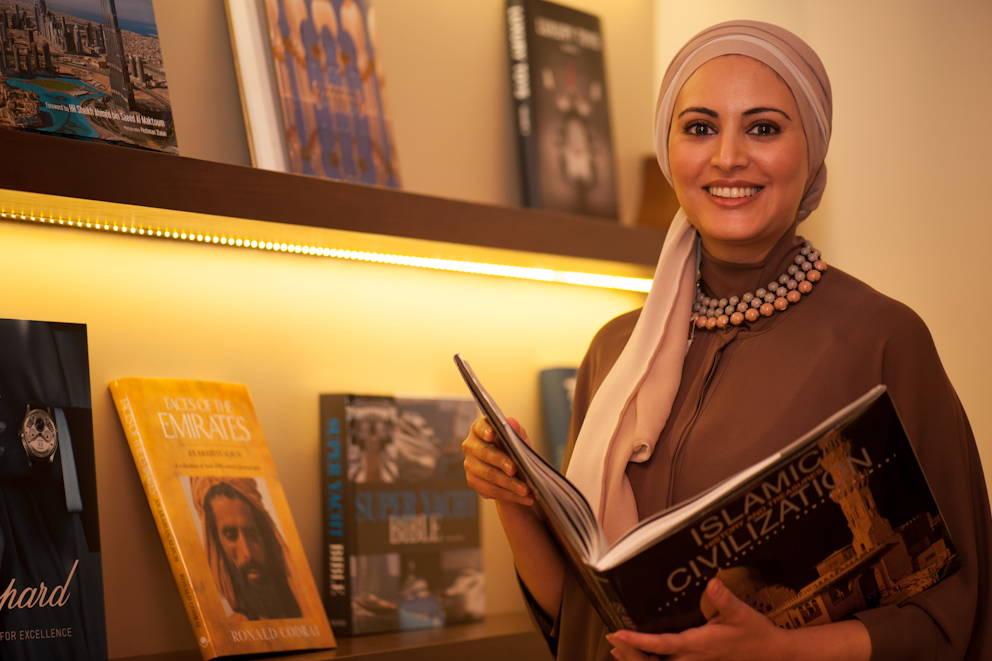
A unique person who skillfully combines business success with a strong dedication to philanthropy, Muna Abusulayman stands out in the dynamic terrain of Saudi Arabia’s changing economic and social projects. Muna, a prominent entrepreneur and ardent philanthropist, has accomplished noteworthy feats in the economic sector and has also made substantial contributions to numerous philanthropic organizations.
Muna exemplifies the essence of contemporary Saudi Arabia, where inventive advancement blends with traditional values, as they adeptly navigate the junction of corporate acumen and charity activities. Rooting from her belief in equalizing opportunities for all, she started in the philanthropic world trying to tackle injustice and community development through working with NGOs and using philanthropic dollars to uplift communities. At the end of 11 years and having led a large foundation for 9 of those years, She turned to business and non-profits as a different alternative to enabling communities.
In this article, we explore the multifaceted life of Muna, delving into her impactful business ventures, the philanthropic projects that are reshaping communities, and the broader implications of her work on both a national and global scale.
You have been frequently ranked within the top most influential women in the Arab world, what personality traits contributed to reaching this achievement?
I believe that determination, risk tolerance, and resilience are the top qualities that you must have when nothing is handed to you and you must work from the bottom up.
Given these qualities, I was able to accept various positions and jobs that no one else would take due to cultural restrictions or monetary compensations. I said yes to everything that could help me learn, get out of the restricted employment space given to female employees. Every single job I took, once I left the comfort zone of teaching at the university, carried high potential reputational risk in (at the time) a conservative society that had a lot of taboos. 20 years later, this is definitely not the case and we have a huge push from the top to ensure that women are able to get to the very top in whatever they choose to work in.
What strategies did you use to stay ahead of the curve in your industry?
“Knowledge is power, and networking is powerful”.
I read a lot, I love going to conferences and I am a native English speaker, when all of these advantages were not common. Being able to access the latest trends and understand what is happening in the world and meet with the movers and shakers enabled me to be a few steps ahead of everyone else, not just in the region, but in general.
I used to have The Economist, New Yorker, and Vanity Fair delivered to me in Saudi, before there were digital prints of them. I invested in going to sector conferences on my own dime, and took various executive education classes.
Furthermore, becoming a Young Global Leader at the WEF in 2006 helped me start to see the various paths exceptionally brilliant people took, and opened my eyes to what is possible beyond what I knew. This helped me later to go on fellowships and join other organizations and networks that accelerated my journey to knowing and doing.
Do you believe that Saudi Arabia is becoming the Goldmine for Global entrepreneurs ? How can you interpret the rise of Startups in Saudi Arabia?
Saudi Arabia is situated in the middle of the world, within 6 hours you can reach 80% of the world population. We have unique access to natural resources, and ease of business regulations have recently made entering the market so much easier. Doing your startup in Saudi Arabia instead of Europe or other places, becomes a no-brainer for the majority of sectors.
Tell us more about your mission as a Venture Capitalist, and What distinguishes Transform VC from other VCs?
My work with Transform VC is about doing good business while doing good. We are very focused on underrepresented founders in Deep Tech who are working to solve various challenges with a focus on climate change and impact.
We have a large team of scouts and analysts to help identify those founders and the ideas that we think will go very big. We have an amazing track record of backing winners with actual exists, and top tier in the relatively short time we have been operating.
We have also created an impactabillion.com website where we are getting introduced to phenomenal founders who have been overlooked due to their background, and who fit the impact bucket but may not fit the Deep Tech bucket.
You can check our website to see some of the technologies and innovations we have backed. Every time, we have been definitely ahead of the curve, with big institutions following us.
What are the main factors that guided you to where you are now?
When I was quite a bit younger I wanted to be a headmistress. I loved the idea of managing a school and helping students become the best versions of themselves. I still love teaching, which I did for many years at both the HS and college levels.
I would not have dreamed that I would become world famous, or have lived this extremely interesting life. But somehow, each decision, which stemmed from wanting to go one step further in helping people, led down this path.
It was difficult picking up different skills for the different roles I had to take on, while being a single mother. But, looking back, what a journey.
In light of your entrepreneurial journey and experiences, what message would you like to convey to aspiring entrepreneurs?
It is a hard and long journey and there are no guarantees. Read a lot about the experience of other entrepreneurs, so that you realize you are not the only one who feels a certain way, or who has made these mistakes. Join an accelerator if you can, the mentorship and camaraderie are extremely helpful. Make sure you choose your team wisely, and build a lot of trust. Lastly, your first startup will probably fail in some way, it is ok. No one is really going to care when your second startup does well.
How would you balance the pursuit of wealth and success with personal fulfillment and happiness?
I think the pursuit of purpose is the most important and most fulfilling journey that one goes on. It is a lot easier if you have financial independence. Unfortunately, that has eluded women for many years, due to not learning financial literacy and women not being in control of finances in most families.. These days there are financial products and investment advice geared towards young women, on how to save and invest. This can give women the freedom to pursue more fulfilling careers, instead of working just to get a paycheck.
As more AI enters our work lives, we will need to lean into these types of financial products to help produce stability in income, as well. If Universal Basic Income is not implemented, many people who are not financially literate will fall through the cracks.
What is the most valuable lesson learned in your journey of building multiple businesses ?
Picking the right team. This is more important than the product (as you will most probably pivot). It is more important than revenue, as the right team will work on the cashflow. If you don’t have the right team for your needs, you are setting yourself up for failure or burnout, or both.
What is the value of women empowerment in the entrepreneurial world? And What inspires you to advocate for mothers in the workplace?
Motherhood is the only way possible to prevent population collapse, and if we don’t start accommodating women in the workforce to both achieve their potential and at the same time enable them to be present mothers, then we are heading towards either disempowering women, or a population collapse.
The majority of women who leave the workforce do so after the second child, as the burden of caring for the children and providing a nurturing environment for them while still working full time becomes increasingly impossible for the majority of working women. We have to put policies in place to help women be retained or at least come back into the workforce with minimal damage to their positions and income.
What is the quote that inspires you the most?
“You can’t be what you can’t see”. It is very important to have great role models available to our younger generations so that they can see paths of success, especially those who may not have had the best support systems in place.
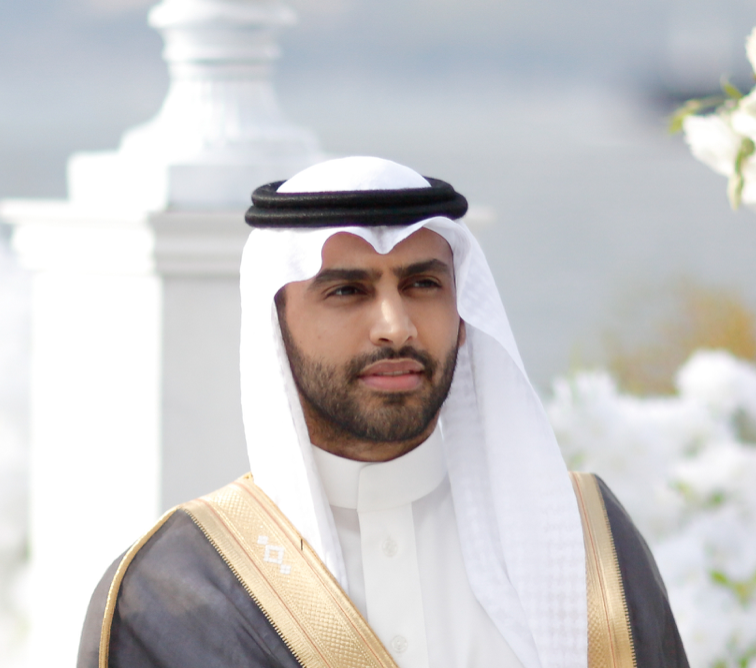
Upon his graduation from architectural engineering at King Saud University, Tariq began his professional career at one of the largest engineering companies in Riyadh as a junior engineer. After having embraced every learning opportunity, Tariq moved to a smaller engineering firm, which offered greater responsibilities in the field of real estate projects in London. Given his ambition for a challenge, Tariq decided to start his own engineering practice with his friends. Tariq delved into this enlightening yet demanding entrepreneurial venture for seven years, until his next experience at the Riyadh Metro project. This opportunity gave him a journey into major infrastructure projects, interacting with different stakeholders locally and internationally. This finally led to his role as a Vice President Asset Manager (VPAM) at King Abdullah Financial District (KAFD).
The function of a VPAM is particularly important in determining an organization’s investment plan and guaranteeing its long-term success in the intricate and dynamic world of finance. The VPAM is a crucial architect in managing these changes as financial markets and investment environments change, using knowledge to inform strategic choices and maximize asset performance. A combination of operational competence, strategic vision, and analytical prowess is required for this senior leadership role.
This article delves into the multifaceted experiences of Tariq, exploring how he developed a broad skill set and deep industry knowledge in the real estate sector.
What are the main factors that guided you to where you are now?
I believe you can’t plan everything in life, but you can certainly influence it. Learning from my failures, being adaptable, being resilient and embracing challenges have significantly contributed to my success. This includes acquiring new skills, managing teams, or balancing family and professional commitments.
Building strong professional connections and seeking mentorship from industry leaders have provided me with valuable guidance and opportunities for growth.
Moreover, continuous learning has always been important to me. Pursuing an MBA while balancing work commitments was a deliberate decision to expand my knowledge beyond technical aspects, and compare myself and my experience with our colleagues in other parts of the world and learn from them and try to improve. Additionally, I believe in the importance of constantly reading and learning from both life and experience. This commitment to lifelong learning has helped me stay current with industry trends and has equipped me with the knowledge and skills necessary to excel in my career.
Given your 15+ years of experience and accomplishments, what would you say was your biggest achievement?
My biggest achievement is working hard against all odds, learning throughout the journey, and ultimately bringing projects to successful fruition, especially when others doubted your ability to do so. This experience applies to both my personal life and career. Seeing a vision become a reality through perseverance and dedication is immensely rewarding and stands as a testament to the value of hard work and resilience.
How would you balance the pursuit of wealth and success with personal fulfillment and happiness?
Drawing a line in the sand between professional and personal life is crucial to ensure that career challenges and obstacles do not interfere with family and personal well-being. Professional life is never an easy ride; it requires facing fears and challenges head-on, with victories and setbacks along the way.
Personal fulfillment and happiness come from dedicating time and focus to loved ones, ensuring that they receive the attention they deserve. Achieving professional milestones is immensely satisfying, but it cannot compare to personal milestones, such as getting married or having children. These personal achievements bring a unique joy and fulfillment that professional success alone cannot provide.
In essence, while professional achievements are important, maintaining a healthy work-life balance is key to true happiness and fulfillment. Ensuring that neither aspect of life overw
helms the other allows for a more harmonious and rewarding journey.
You have a record of successfully leading revenue-maximizing initiatives, what personality traits contributed to reaching this achievement?
I believe my success in leading revenue-maximizing initiatives is deeply rooted in my upbringing. Coming from a family with a mix of public servants and businesspeople, discussions about the merits of different sectors and business opportunities were a daily occurrence. These debates often centered around the advantages and disadvantages of various ventures, fostering a mindset of critical evaluation and strategic thinking from an early age.
This foundational mindset was further honed when I joined the public sector. One of my key responsibilities was to evaluate the feasibility of public infrastructure projects, considering factors such as cost, return on investment, and broader social and economic impacts. In many cases, these impacts were not immediately apparent, requiring a more nuanced approach to value assessment. As part of a team, we developed criteria to maximize the value of seemingly less impactful projects, such as schools in remote areas, by highlighting their indirect benefits to communities.
This complex approach to maximizing value by considering both direct and indirect impacts has been instrumental in my ability to lead successful revenue-maximizing initiatives. It has equipped me with the skills to see beyond the obvious financial returns and recognize the broader benefits that can enhance a project’s overall value.
Traits such as strategic thinking, analytical skills, adaptability, and a deep understanding of both public and private sector dynamics have been crucial in my achievements. These qualities enable me to evaluate projects comprehensively and implement strategies that optimize revenue while considering long-term impacts and sustainability.
Given your expertise in commercial investment and real estate, do you believe that Saudi Arabia is opting for a more diverse economy? How can you interpret Saudi Arabia’s economic transformation?
Absolutely, Saudi Arabia is making strides toward diversifying its economy, a vision outlined in the Kingdom’s Vision 2030 initiative. This vision excites me, as I feel I am contributing to a transformation that aims to reduce the country’s dependency on oil by fostering growth in sectors such as tourism, entertainment, and renewable energy.
From my perspective, with a background in both public and private sectors, this diversification strategy is multi-faceted. Saudi Arabia is investing heavily in infrastructure projects like KAFD, the Red Sea Project, and the development of new cities like NEOM. These initiatives are designed to attract foreign investment and boost non-oil revenue, enhancing the country’s physical infrastructure and creating a more business-friendly environment. Additionally, significant positive changes to the social, legal, and regulatory landscape are often overlooked but are as crucial as the mega projects happening around us.
In real estate, the shift towards mixed-use developments—combining commercial, residential, and entertainment spaces—has led to changes in local regulations, safety standards, and planning. These adjustments maximize land use, foster vibrant communities, and boost economic activity, speeding up positive developments beyond traditional commercial investments.
Mixed-use developments, such as KAFD, are transforming urban landscapes by combining various types of spaces—such as offices, homes, shops, and recreational areas—within a single project. This efficient use of land is particularly valuable in densely populated areas, helping to mitigate urban sprawl and reduce the need for extensive infrastructure. These developments create dynamic, vibrant communities where residents can access various amenities within walking distance. Public spaces such as parks, plazas, and pedestrian pathways encourage social interaction and community engagement, enhancing the quality of life and fostering a strong sense of community.
Economically, mixed-use developments drive activity by attracting a diverse group of people throughout the day. Integrating residential and entertainment spaces with commercial areas ensures a steady flow of patrons for local businesses, much like traditional cities where the souk and masjid were central to the economy. This leads to increased sales and economic stability, benefiting retailers and restaurants from the constant presence of both residents and visitors.
Additionally, mixed-use developments promote sustainability by reducing the need for long commutes and encouraging the use of public transportation. The proximity of different amenities allows people to walk or bike to their destinations, reducing traffic congestion and lowering carbon emissions. This convenience makes these developments highly desirable places to live and work, enhancing property values and attracting both domestic and international investments.
In conclusion, Saudi Arabia’s economic transformation strategically balances short-term gains with long-term benefits. My expertise in real estate investment and project management supports this effort, particularly through mixed-use developments that create dynamic urban spaces, diversify the economy, and improve residents’ quality of life.
In light of your journey and experiences, what message would you like to convey to aspiring entrepreneurs?
While thinking and planning are essential, taking action is equally, if not more, important. It’s crucial to act on your ideas and learn from your mistakes along the way. Embrace the process of trial and error, and don’t be afraid to make adjustments and pivot when necessary.
What is the added value of fostering a collaborative culture in the entrepreneurial world? And What inspires you through your mentorship and leadership style?
Fostering a collaborative culture brings tremendous added value. Collaboration encourages diverse perspectives, which can lead to innovative solutions and more effective problem-solving. By bringing together individuals with different backgrounds, skills, and experiences, a collaborative environment harnesses the collective strengths of the team, driving creativity and productivity. We can see this happening in our country, where internationals and locals work together on exciting new projects that contribute to our national transformation. It also builds a sense of shared purpose and commitment, which is vital for navigating the challenges and uncertainties inherent in entrepreneurship.
In my journey, I have found that a collaborative culture also fosters a more enjoyable, supportive and motivating working environment. When team members feel valued and heard, they are more likely to take ownership of their roles and contribute meaningfully to the organization’s success.
What inspires me through my mentorship and leadership style is the potential for growth and development in others, as I am motivated by guiding and supporting emerging talents. Seeing others succeed and knowing that I played a part in their journey is incredibly fulfilling.
My leadership style is shaped by my belief in leading by example, maintaining open communication, and encouraging continuous learning. As a team, we can achieve great things, whereas as individuals, our limits are more pronounced. I strive to create an environment where team members feel empowered to take initiative, make decisions, and learn from their experiences.
What is the most valuable lesson learned from your professional journey?
The most valuable lesson I have learned from my professional journey is that while formal education and certifications are important, nothing beats the hands-on experience of doing the actual work. Experiencing the realities of the workplace, including both successes and failures, profoundly shapes how you think and act. Each project, interaction, and setback offers unique insights that contribute to your overall development. These experiences teach resilience, problem-solving, and adaptability—qualities that are essential for long-term success.
In essence, while professional qualifications lay the foundation for a career, it is the practical application of knowledge and the lessons learned from real-world experiences that truly develop one’s skills and character. Embracing both the good and bad aspects of these experiences not only enhances your professional capabilities but also enriches your overall personality and approach to life.
Tell us more about your mission in maximizing revenue from real estate assets, and What distinguishes KAFD from others providing similar services?
Our mission as an asset management team in maximizing revenue from real estate assets involves a comprehensive and strategic approach that covers every phase of an asset’s life cycle, it is crucial to leverage diverse knowledge and experience from different sectors. This multidisciplinary approach ensures that each team member’s contribution is valuable and helps us understand every aspect of an asset.
Understanding both the overall strategic plan and the specifics of individual assets is essential for making informed decisions. This holistic view allows us to optimize various elements such as tenant mix, target the right tenants, and negotiate favorable deals and contracts. Sometimes, this involves making significant changes to an asset’s management or structure, looking for an investment that will benefit the asset and the organization but always in alignment with KAFD’s overarching goals and objectives.
KAFD is a unique, complex undertaking. This is the Kingdom’s first vertical city solution, where businesses, residences, and communal spaces coexist. A compact city that’s home to 95 buildings – and growing – across five asset classes, featuring Grade A office spaces, upscale residences, diverse commercial and retail areas, luxury hospitality, and vibrant entertainment venues. What distinguishes KAFD from others providing similar services is our unique combination of strategic vision, innovative approaches, and unwavering commitment to excellence. Our integrated approach to asset management involves comprehensive oversight from the earliest stages of planning and feasibility studies to the daily operations and long-term strategic management of the asset. This ensures we maximize the value and revenue potential of each property.
At KAFD, our diverse team in real estate, finance, engineering, and operations tackles complex challenges with innovative solutions. As a smart city evolving into a cognitive city, we use cutting-edge technologies and best practices, including advanced data analytics, smart building technologies, and sustainable principles. Our strategy features 48 initiatives, such as virtual reality and IoT, supported by a robust digital infrastructure that integrates city management, security, mobility, waste management, and data-driven governance. These innovations enhance our assets’ value and distinctiveness.
This year, these efforts have been evident and fruitful. KAFD has been awarded the SmartScore Neighborhood Certification by WiredScore for its first-class digital infrastructure that delivers robust connectivity, sustainability, and a seamless live, work, and play experience. With this recognition, KAFD becomes the first neighborhood in the Middle East, and Africa (MENA) to achieve WiredScore’s SmartScore Neighborhood certification.
Sustainability is a core value at KAFD. We prioritize sustainable development practices that not only contribute to environmental conservation but also enhance the long-term value and attractiveness of our properties. For instance, our buildings are 10-15% more energy-efficient than conventional buildings due to the high Solar Reflectance Index (SRI) maintained. They are designed to be 20-30% more water-efficient than conventional structures. This commitment to sustainability resonates with tenants and investors who increasingly seek environmentally responsible real estate options.
With that in mind, KAFD was the first district in the Kingdom to be awarded the Leadership in Energy and Environmental Design for Neighborhood Development (LEED-ND) Stage 2 Platinum certification in 2020, the highest possible accreditation from the world’s leading authority for green buildings – the US Green Building Council. It is the largest mixed-use financial center in the world to be recognized for its commitment to sustainability with over 40 individual Silver and Gold LEED-certified buildings.
KAFD stands out with its client-focused approach, treating properties as dynamic spaces for curated experiences. By anticipating and addressing diverse needs, we tailor asset management to ensure high satisfaction and retention. This strategy supports KAFD’s goal of becoming a premier lifestyle and business destination, crucial for maintaining high occupancy and maximizing revenue.
What’s next?
Looking ahead, I’m incredibly excited about the future for both myself and KAFD. Personally, I am committed to continuing my professional growth and expanding my expertise in real estate asset management. I plan to stay ahead of industry trends and innovations, ensuring that I bring fresh, cutting-edge strategies to our projects. Mentorship is also a big part of my future. I am passionate about guiding and supporting the next generation of professionals, fostering a collaborative and innovative culture within our team.
For KAFD, our path forward is about embracing innovation and sustainability. We aim to expand our portfolio of mixed-use developments, integrating the latest technologies and sustainable practices. These projects are not just about maximizing revenue; they are about creating vibrant, efficient communities that contribute to Saudi Arabia’s Vision 2030. Strengthening strategic partnerships is another key focus, in order to leverage additional expertise and resources. In summary, what’s next for me and KAFD is a continued commitment to excellence and innovation. We are ready to build on our successes, explore new frontiers, and contribute meaningfully to the economic diversification and development of Saudi Arabia. It’s an exciting journey, and I am eager to see where it takes us.
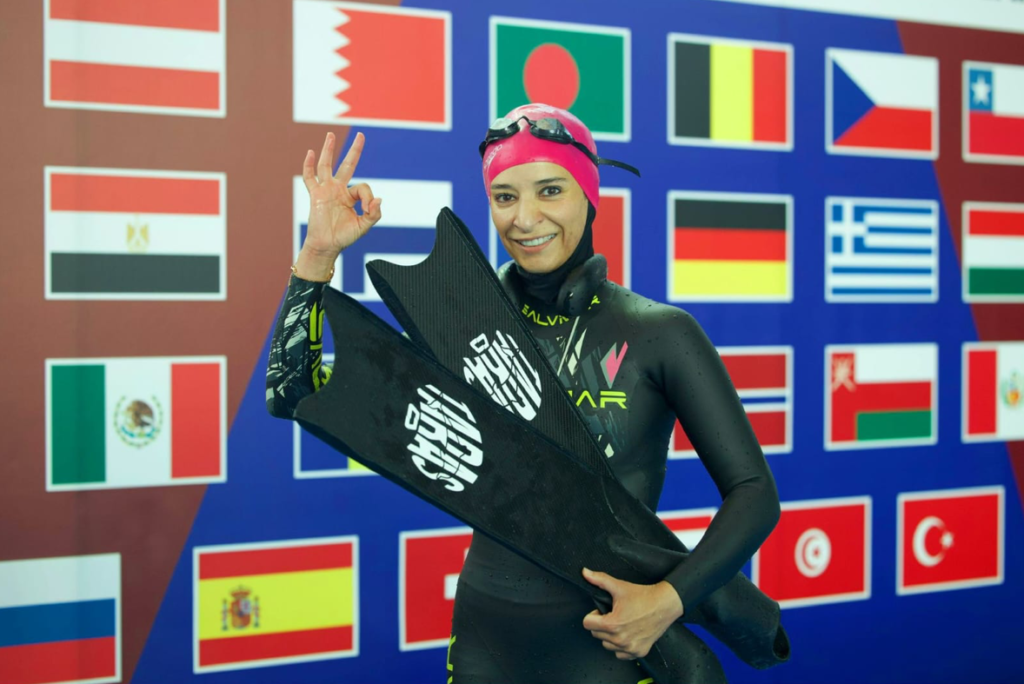
In the silent expanse of the waters, where the only sound is the rhythmic pulse of one’s own heartbeat, a remarkable form of human endurance unfolds. Meet Aliaa Al-Salem, a free-diver whose name has become synonymous with pushing the boundaries of the human spirit under the water. Armed with nothing but her breath and unwavering determination, Aliaa has captured the world’s imagination with her breathtaking indoor dives. In an age where technology often overshadows pure physical prowess, Aliaa’s story is a compelling reminder of the extraordinary feats possible when humans harmonize with water. Join us as we explore the depths of her journey, uncovering the challenges, triumphs, and profound connections that define her life beneath the surface.
Through her journey of eccentric excellence as a scuba diver and a freediver, Aliaa holds on to her favorite quote “Success is not final; failure is not fatal: it is the courage to continue that counts.” – Winston Churchill
What are the main factors that guided you to where you are now?
The main factors that guided me to where I am now are discipline, hard & smart working, setting goals and being dedicated in my training.
How would you balance the pursuit of success with personal fulfillment and happiness?
A calculated and thoughtful strategy is needed for establishing a balance between the pursuit of achievement and satisfaction. To achieve such a balance, I try to schedule my plans and priorities, and manage my timings and obligations; this makes it easier for me to stay on track.
What was the biggest challenge in your athletic career? How did you overcome it?
My biggest challenge was when the club that we train at rented the swimming pool to a private academy that didn’t allow us to enter the pool again and this was exactly before the world championship. To overcome this obstacle, I had to go to another pool that didn’t allow my instructor to enter so I had to train alone.
What habits do you adopt on a daily basis to help you break new records?
Setting new personal bests in sports demands a comprehensive strategy that incorporates reliable daily routines in a number of domains. The habits I adopt are daily stretching, breathhold workouts, cardio and pool training.
What support did you wish to have in the beginning of your freediving career?
I approach the response to this question in a different way. Throughout my freediving career, I tried to give myself all the support I needed and never relied on others.
In light of your journey and experiences, what message would you like to convey to aspiring athletes?
From my journey and experiences, I’d like to convey the following message: Set your goals and work to achieve them, never give up and face the barriers.
What is the value of women empowerment in the athletic world? What do you think is the most significant barrier to female empowerment?
Because women are part of the society, empowering women in the athletic world will expand her participation in competitions and championships, by encouraging her to join any kind of sport with rules that suit her. Nowadays I see women are much stronger and can do their best in every field they work even if barriers are no longer an issue to women, they can easily get through it and face it with solutions that suit them well.
When was the Kuwaiti national freediving team created? How do you feel about being one of the first members to join?
The Kuwait national freediving team was created very recently, in 2023. When Kuwait diving & lifesaving club decided to host the CMAS world free diving championship they wanted to establish a female freediving team to join in the competition, and I was one of the ladies who was chosen to join the team. I’m so happy and proud to be a member of this team, also this pushes me to work harder and on a regular basis.
What distinguishes freediving from other water sports (such as swimming and scuba diving)?
The main difference relies on the breathwork needed. Freediving is a sport done with one last breath kept in the lung. Also, diving requires a safety team always present with the free diver even in training. It must not be done alone. Scuba diving is a sport done with compressed air supplying you while you dive. Swimming is a sport that is practiced while breathing.
What is the achievement that you are looking forward to reaching next?
I’m looking forward to maximizing my distance in all disciplines in freediving and extending my static breath hold, so mainly I always want to break my records with higher numbers. As we come to the close of this exploration into the world of indoor freediving, it’s clear that this unique sport transcends mere physical challenge; it is a profound testament to the human spirit’s resilience and adaptability. For pioneers like Aliaa, who defy the confines of conventional diving by embracing the controlled environment of indoor pools, the journey is as much about mental fortitude as it is about breath control and technique. The serene depths of the pool offer a canvas where concentration and discipline create a dance of precision and grace, revealing the extraordinary potential of the human body and mind. Aliaa’s achievements remind us that the quest for excellence often requires innovation and a willingness to explore new frontiers. As indoor free-diving continues to gain recognition, it stands as a beacon of how dedication and passion can transform a niche pursuit into a compelling narrative of human achievement. In every dive, every breath held, and every boundary pushed, there lies an inspiring story of perseverance and a profound connection to the depths of one’s own potential.
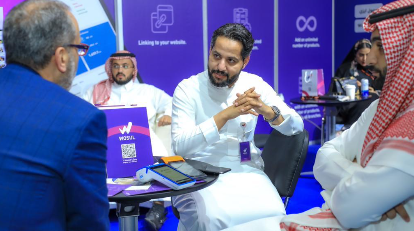
Few executives stand out as shining examples of visionary thinking and strategic prowess in the rapidly changing field of technology, where innovation and adaptation are critical. One such leader is Wosul’s CEO and board member, Fahad Alghamdi. Under his direction, Wosul has become a leader in the technological solutions industry, pushing the envelope and establishing new benchmarks for performance.
Through his journey of eccentric expansion in this dynamic landscape, Fahad holds on to his favorite quote “Innovation distinguishes between a leader and a follower.” –Steve Jobs. A quotation encapsulating the essence of entrepreneurial spirit and leadership.
How did you end up as a CEO and board member at once?
My entrepreneurial journey typically reflects a combination of vision, expertise in the field, and strategic decision-making. Leading a company like Wosul and serving as a board member simultaneously involves a deep understanding of both the operational and strategic aspects of the business. This dual role allows to directly influence the company’s direction while ensuring that its day-to-day operations align with its long-term goals. This integration of roles is crucial in startups and growth-stage companies, where swift decision-making and cohesive strategic planning are essential for success.
My approach likely involves fostering innovation, pursuing aggressive growth strategies, and securing strategic investments, which have all contributed to Wosul’s significant market presence. My story is an example of how leadership can effectively blend with entrepreneurship to drive a company forward in a competitive industry like fintech.
Given your many years of experience and accomplishments, what would you say was your biggest achievement?
The key accomplishments that could be considered significant:
1. Successful Funding Rounds: Securing substantial investment for the company, such as closing seed funding rounds and preparing for larger scale funding initiatives, would be a notable achievement. This kind of financial backing is crucial for scaling operations and technology development in fintech.
2. Rapid Company Growth: Driving the company to achieve a 200% growth rate, as noted in the information about Wosul, indicates strong leadership in expanding the business’s scope and market presence.
3. Product Innovation and Expansion: Launching new products or services that meet market needs effectively, especially in a complex field like financial technology, could be another significant accomplishment. For instance, implementing a cloud-based cashier system and expanding client services to major clients like Dunkin’ Donuts in Saudi Arabia demonstrates successful product innovation and market penetration.
4. Strategic Partnerships: Forming strategic partnerships that enhance the company’s capabilities and extend its market reach would also be crucial, especially in global and competitive markets.
I am also proud of having built a great team. These examples align with what might be expected from a successful CEO in the tech industry, emphasizing strategic growth, financial health, and innovation.
What personality traits contributed to you being the CEO of Wosul?
I can describe some personality traits that typically contribute to someone becoming a successful CEO of Wosul.
1. Leadership: The ability to inspire and motivate a team is essential. This involves not just directing others but also fostering a collaborative and innovative environment.
2. Visionary Thinking: Being able to see the bigger picture and anticipate future trends and challenges is crucial for steering a company towards long-term success.
3. Resilience: The journey to the top is often filled with setbacks. Resilience, or the ability to bounce back from failures and continue moving forward, is a key trait of successful leaders.
4. Decision-Making: Effective CEOs are decisive, able to make tough calls and stand by them. This is especially important in high-stakes environments like fintech.
5. Adaptability: The tech industry changes rapidly, and a successful CEO needs to be flexible in their strategies and approaches.
6. Communication: Clear, effective communication with stakeholders at all levels, from team members to investors, is crucial. This ensures that everyone is aligned with the company’s goals and strategies.
7. Empathy: Understanding and relating to others helps in building strong relationships, which is crucial for internal team dynamics as well as external partnerships and customer relations.
These traits help in navigating the complex responsibilities of a CEO and can significantly impact the success of a company like Wosul in the competitive fintech sector.
What is the most valuable lesson learned from your professional journey ?
An important lesson is that adaptability is the key to success. The business world, technology, and market conditions are always changing. Those who can quickly adapt to new challenges, shift strategies when necessary, and remain flexible in their plans are more likely to succeed.
This lesson underscores the reality that while having a clear vision and plan is important, the ability to change and adapt those plans in response to real-world conditions often determines long-term success.
What is the added-value of using a point of sale cloud system in the entrepreneurial world? And What inspires you through your leadership style in this field ?
Using a point of sale (POS) cloud system offers several advantages in the entrepreneurial world, especially for small to medium enterprises that need to stay agile and efficient. Those advantages include: accessibility to connection, scalability, cost-effectiveness, integration capabilities, real-time data and security.
As for the inspiration in leadership within this field, a leader might focus on leveraging technology to democratize access to powerful business tools for all entrepreneurs, regardless of their business size or technical expertise. The goal is to simplify complex processes and enable business owners to focus more on growth and less on administrative tasks. Leaders in this field are often driven by the potential of technology to transform traditional business operations, making them more efficient, scalable, and accessible.
Wosul has been recently partnering with several parties, tell us more about these partnerships. What is the importance of partnerships in the entrepreneurial world?
In the entrepreneurial world, partnerships are crucial for several reasons, such as resource sharing, market access, innovation, risk mitigation, credibility and branding, learning and growth.
In summary, strategic partnerships are often a key component of successful entrepreneurial endeavors, helping startups achieve goals that might be unattainable on their own. They are a vital tool for growth, innovation, and competitive advantage in the fast-paced business world.
Tell us more about What distinguishes Wosul from others providing similar services?
Wosul, as a fintech company, stands out in several ways from other providers offering similar services, particularly in the realm of point of sale (POS) and financial solutions:
1. Integration and Scalability: Wosul seems to focus heavily on offering scalable solutions that can grow with a business. This is particularly advantageous for small to medium enterprises that plan to expand over time and need a system that can adapt without requiring significant additional investments.
2. Customization and Flexibility: Wosul offers tailored solutions that meet the specific needs of different businesses. This level of customization allows for more precise alignment with the business processes of their clients, which can range from retail to hospitality and beyond.
3. Cloud-Based Technology: Wosul’s use of cloud-based systems allows for real-time access and updates across all business operations. This not only enhances efficiency but also provides business owners with up-to-date information for making informed decisions.
4. Local Market Focus: With a strong focus on the Saudi Arabian and possibly broader Middle Eastern markets, Wosul is well-positioned to understand and address the specific challenges and needs of businesses in this region. This local focus can lead to better customer service and more relevant product offerings.
5. Comprehensive Financial Solutions: Beyond just POS systems, Wosul seems to offer comprehensive financial solutions that include inventory management, sales tracking, and potentially other financial services which streamline the entire sales and financial management process for businesses.
These characteristics likely contribute to Wosul’s competitive edge, making it a preferred choice for businesses looking for modern, efficient, and flexible financial technology solutions.
In light of your journey and experiences, what message would you like to convey to aspiring entrepreneurs?
The advice I can offer is embrace risks, be persistent, learn continuously, build a strong network, focus on the customer, stay passionate, and lastly plan but be flexible. These principles can guide aspiring entrepreneurs through the complex landscape of starting and growing a business. Each point reflects a fundamental aspect of entrepreneurial success and resilience.
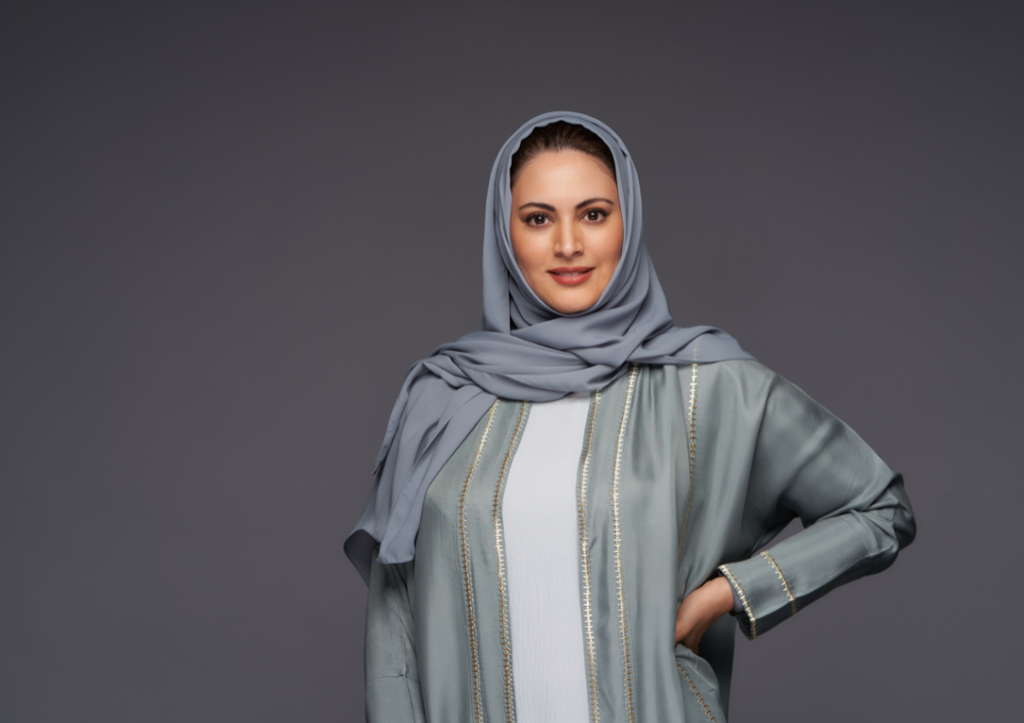
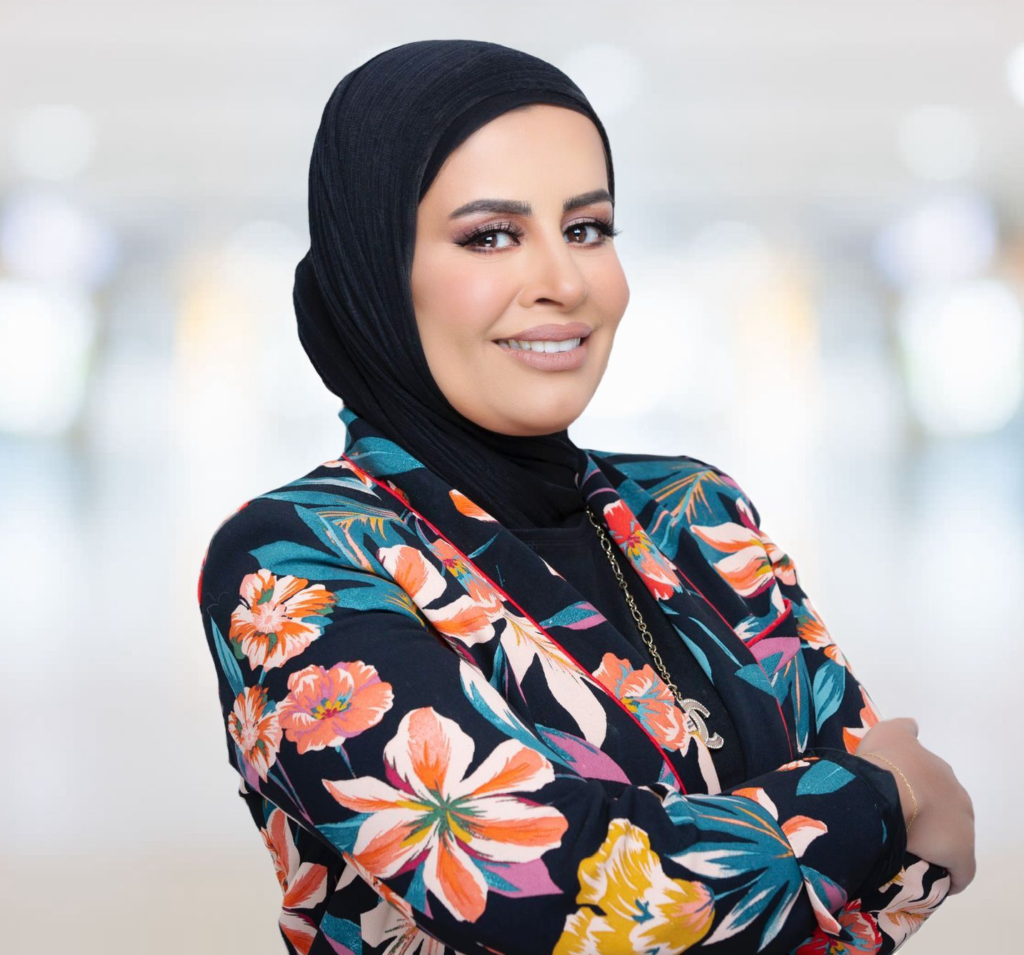
One name sticks out as a beacon of innovation and entrepreneurship in the fast-paced world of cosmetics and beauty: Hanadi Burhama. Hanadi has distinguished herself as a top makeup artist, a blogger and a businesswoman by combining her extraordinary creative vision with business acumen. Her transformation from an enthusiastic makeup artist to a well-known industry blogger demonstrates not only her talent but also her creative approach to both business and beauty. Through her career she has focused on quality and keeping an eye on new trends since 1999. Hanadi further enhanced her skills by completing a course with Bassam Fattouh (a renowned makeup artist). She has turned her artistic talent into a successful business through her beauty center in 2015, motivating and raising the bar for many others in the beauty industry.
What are the most important factors that brought you to where you are now?
My early dedication to mastering the art of makeup artistry, combined with my growing influence on social media platforms, played a pivotal role in shaping my current achievements. These factors allowed me to connect with a wider audience and showcase my expertise, ultimately leading to the establishment of my successful beauty center.
What is the quote that inspires you the most?
“And say, ‘Do [as you will], for Allah will see your deeds, and [so, will] His Messenger and the believers.'” – The Quran (9:105)
This verse serves as a powerful reminder that my actions and decisions in business and in life are not just seen by others, but also by Allah. It motivates me to conduct myself with integrity, honesty, and a strong work ethic, knowing that I am accountable for my choices.
How do you balance the pursuit of wealth and success with self-fulfillment and happiness?
Balancing the pursuit of wealth and success with self-fulfillment and happiness is a continuous journey. I prioritize self-care, spending quality time with loved ones, and engaging in activities that bring me joy and relaxation. I also believe in giving back to the community and supporting causes that align with my values. By integrating these elements into my life,I find fulfillment and maintain a healthy perspective on success.
What was the biggest challenge in your career? How did you overcome it?
The COVID-19 pandemic presented a significant challenge, as it forced the closure of beauty centers. However, I adapted by focusing on online engagement, offering virtual consultations, and expanding my social media presence. This allowed me to maintain connections with clients and even reach new audiences during a difficult period.
How do you see the evolution of the cosmetics industry? Are there any recent trends you’ve noticed?
The cosmetics industry is evolving at a rapid pace, with increasing competition among brands. I’ve observed a notable shift towards natural makeup looks and products formulated with plant-based ingredients. This reflects a growing consumer preference for healthier and more sustainable beauty options.
What sets your salon apart from other salon chains in the region?
My beauty salon stands out due to its commitment to providing high-quality services at affordable prices. I believe that everyone deserves access to exceptional beauty treatments without compromising their budget. This approach has resonated with clients and contributed to the salon’s success.
How important is building a personal connection with clients?
Building personal connections with clients is essential for several reasons. It fosters trust and loyalty, making clients feel valued and understood. This, in turn, helps to address any concerns effectively and encourages them to embrace product recommendations and try new services.
In light of your journey and experiences, what message would you like to send to aspiring entrepreneurs?
To aspiring entrepreneurs, I emphasize the importance of thorough research and preparation. It is crucial to understand the legal and operational requirements of your chosen industry, as well as develop a strong business plan and build a dedicated team. This foundation will significantly increase your chances of success.
What is the value of empowering women in the world of entrepreneurship? What do you think is the biggest obstacle to women’s empowerment?
Empowering women in entrepreneurship brings immense value to the economy and society as a whole. Women have repeatedly demonstrated their capabilities across various fields, including business. While I believe there is no single major obstacle hindering women’s empowerment, ongoing efforts to promote equal opportunities, access to resources, and mentorship are crucial for fostering a truly inclusive entrepreneurial landscape.
Can you name two books that inspired you? And what did you take away from them?
While I draw inspiration from various sources, Two books that have significantly impacted my personal and professional growth are “The 7 Habits of Highly Effective People” by Stephen Covey and “La Prisonnière” (The Prisoner) by Malika Oufkir.
“The 7 Habits of Highly Effective People” provided a comprehensive framework for personal effectiveness, highlighting the importance of proactivity, prioritizing what truly matters, and fostering meaningful relationships. The principles outlined in this book have become a cornerstone of my approach to both my business and personal life.
“La Prisonnière” is a powerful memoir that tells the story of Malika Oufkir, a woman who spent years imprisoned with her family in harsh conditions in Morocco. Her resilience, strength, and determination in the face of unimaginable adversity have inspired me to persevere through challenges and never give up hope. The book serves as a reminder of the importance of freedom, family, and the indomitable human spirit.
What is the next step?
My next endeavor involves establishing a new state-of-the-art beauty center that will further elevate the standards of quality and service in the industry. I am committed to continuous growth and innovation, and this new venture reflects my dedication to providing exceptional beauty experiences for my clientele. In one word, Hanadi’s incredible path from cosmetic artist to businesswoman emphasizes the significant influence of fusing strategic vision with passion. Her achievement is evidence of her aptitude for handling the challenges of managing a successful business in addition to her skill as a makeup artist. Aspiring professionals can draw inspiration from her tale, which shows that dreams can become successful realities with hard work and inventiveness.