Blog

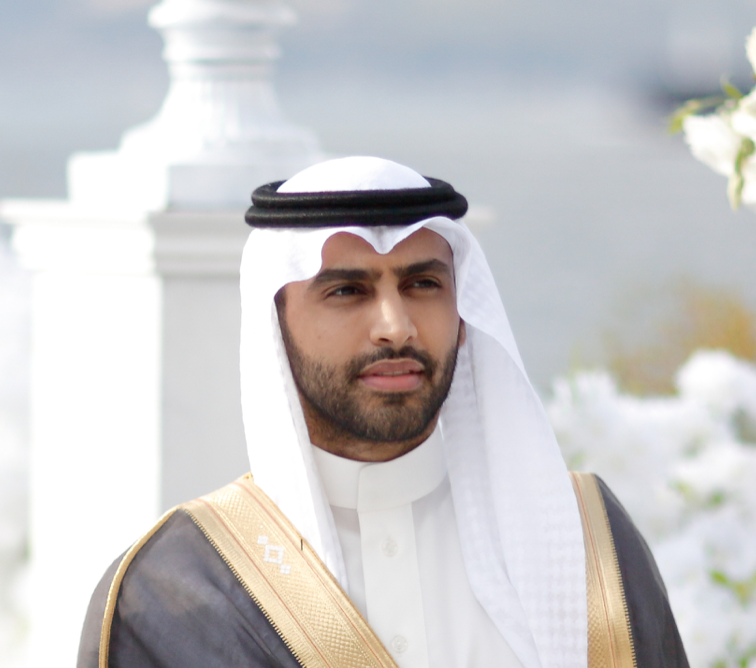
استكشاف الدور الاستراتيجي لنائب الرئيس لإدارة الأصول: طارق المسند

بعد تخرجه من هندسة العمارة في جامعة الملك سعود، بدأ طارق مسيرته المهنية في إحدى أكبر شركات الهندسة في الرياض كمهندس مبتدئ. بعد أن استفاد من كل فرصة تعليمية، انتقل طارق إلى شركة هندسية أصغر توفر مسؤوليات أكبر في مجال مشاريع العقارات في لندن. نظرًا لطموحه في مواجهة التحديات، قرر طارق بدء عمله الهندسي الخاص مع أصدقائه. خاض طارق هذه المغامرة الريادية المضيئة والمرهقة لمدة سبع سنوات، حتى جاءت تجربته التالية في مشروع مترو الرياض. منحه هذه الفرصة للانغماس في مشاريع البنية التحتية الكبرى، والتفاعل مع مختلف الأطراف المعنية محليًا ودوليًا. وأدى ذلك في النهاية إلى دوره كنائب الرئيس إدارة الأصول (VPAM) في مركز الملك عبد الله المالي (KAFD).

تعتبر وظيفة نائب الرئيس للشؤون الإدارية والمالية ذات أهمية خاصة في تحديد الخطة الاستثمارية للمؤسسة وضمان نجاحها على المدى الطويل في عالم التمويل المعقد والديناميكي. ويُعد نائب الرئيس التنفيذي للشؤون الإدارية والمالية عاملًا أساسيًا في إدارة هذه التغييرات مع تغير الأسواق المالية وبيئات الاستثمار، وذلك باستخدام المعرفة لإثراء الخيارات الاستراتيجية وتعظيم أداء الأصول. يتطلب هذا الدور القيادي مزيجاً من الكفاءة التشغيلية والرؤية الاستراتيجية والبراعة التحليلية. 

يتعمق هذا المقال في تجارب طارق المتعددة الأوجه، مستكشفة كيف طوّر مجموعة واسعة من المهارات والمعرفة العميقة في القطاع العقاري. 

ما هي العوامل الرئيسية التي قادتك إلى ما أنت عليه الآن؟

أعتقد أنه لا يمكنك أن تخطط لكل شيء في الحياة، ولكن يمكنك بالتأكيد التأثير فيه. لقد ساهم التعلم من إخفاقاتي، والقدرة على التكيف والمرونة وتقبل التحديات بشكل كبير في نجاحي. وهذا يشمل اكتساب مهارات جديدة أو إدارة فرق العمل أو الموازنة بين الالتزامات العائلية والمهنية. 

وقد زودني بناء علاقات مهنية قوية والسعي للحصول على الإرشاد من قادة الصناعة بتوجيهات وفرص قيّمة للنمو. 

علاوة على ذلك، لطالما كان التعلُّم المستمر مهماً بالنسبة لي. كان سعيي للحصول على ماجستير إدارة الأعمال مع الموازنة بين التزامات العمل قرارًا مدروسًا لتوسيع معرفتي بما يتجاوز الجوانب التقنية، ومقارنة نفسي وخبرتي مع زملائنا في أجزاء أخرى من العالم والتعلم منهم ومحاولة التحسين. بالإضافة إلى ذلك، أؤمن بأهمية القراءة المستمرة والتعلم من الحياة والتجربة على حد سواء. وقد ساعدني هذا الالتزام بالتعلّم مدى الحياة على مواكبة الاتجاهات السائدة في هذا المجال وزوّدني بالمعرفة والمهارات اللازمة للتفوق في حياتي المهنية.

بالنظر إلى خبرتك وإنجازاتك التي تزيد عن 15 عاماً، ما هو أكبر إنجاز لك في رأيك؟

أكبر إنجاز لي هو العمل الجاد رغم كل الصعاب، والتعلم طوال الرحلة، وفي النهاية تحقيق النجاح في المشاريع، خاصةً عندما يشك الآخرون في قدرتك على القيام بذلك. تنطبق هذه التجربة على كل من حياتي الشخصية والمهنية. إن رؤية رؤية رؤية تتحول إلى حقيقة واقعة من خلال المثابرة والتفاني أمر مجزٍ للغاية ويقف شاهداً على قيمة العمل الجاد والمرونة.

كيف يمكنك تحقيق التوازن بين السعي وراء الثروة والنجاح وبين تحقيق الرفاهية والسعادة الشخصية؟

إن رسم خط فاصل بين الحياة المهنية والحياة الشخصية أمر بالغ الأهمية لضمان عدم تعارض التحديات والعقبات المهنية مع رفاهية الأسرة والرفاهية الشخصية. فالحياة المهنية ليست رحلة سهلة على الإطلاق؛ فهي تتطلب مواجهة المخاوف والتحديات مباشرة، مع تحقيق الانتصارات والنكسات على طول الطريق. 

يأتي الإنجاز الشخصي والسعادة من تكريس الوقت والاهتمام بالأحباء، وضمان حصولهم على العناية التي يستحقونها. إن تحقيق الإنجازات المهنية أمر مُرضٍ للغاية، ولكن لا يمكن مقارنته بالإنجازات الشخصية مثل الزواج أو إنجاب الأطفال. حيث تجلب هذه الإنجازات الشخصية فرحة وإنجازاً فريدين لا يمكن للنجاح المهني وحده أن يوفرهما.

وخلاصة القول، على الرغم من أهمية الإنجازات المهنية، إلا أن الحفاظ على التوازن الصحي بين العمل والحياة الشخصية هو مفتاح السعادة والإنجاز الحقيقيين. إن التأكد من أن أياً من جانبي الحياة لا يطغى على الجانب الآخر يسمح برحلة أكثر انسجاماً ومجزية.
لديك سجل حافل بالنجاح في قيادة مبادرات تعظيم الإيرادات، ما هي السمات الشخصية التي ساهمت في تحقيق هذا الإنجاز؟

أعتقد أن نجاحي في قيادة مبادرات زيادة الإيرادات متجذر بعمق في نشأتي. فبسبب انتمائي لعائلة تضم مزيجاً من الموظفين الحكوميين ورجال الأعمال، كانت المناقشات حول مزايا القطاعات المختلفة وفرص العمل المختلفة أمراً يومياً. وغالبًا ما كانت هذه المناقشات تتمحور حول مزايا وعيوب المشاريع المختلفة، مما عزز عقلية التقييم النقدي والتفكير الاستراتيجي منذ سن مبكرة.

تم صقل هذه العقلية الأساسية بشكل أكبر عندما انضممت إلى القطاع الحكومي. كانت إحدى مسؤولياتي الرئيسية هي تقييم جدوى مشاريع البنية التحتية العامة، مع الأخذ في الاعتبار عوامل مثل التكلفة والعائد على الاستثمار والآثار الاجتماعية والاقتصادية الأوسع نطاقاً. وفي كثير من الحالات، لم تكن هذه الآثار واضحة على الفور، مما تطلب اتباع نهج أكثر دقة في تقييم القيمة. وكجزء من فريق عمل، قمنا بتطوير معايير لتعظيم قيمة المشاريع التي تبدو أقل تأثيرًا، مثل المدارس في المناطق النائية، من خلال تسليط الضوء على فوائدها غير المباشرة للمجتمعات المحلية.

وقد كان لهذا النهج المعقد لتعظيم القيمة من خلال النظر في التأثيرات المباشرة وغير المباشرة على حد سواء دور أساسي في قدرتي على قيادة مبادرات ناجحة لتحقيق أقصى قدر من الإيرادات. وقد زودني هذا النهج بالمهارات اللازمة لرؤية ما وراء العوائد المالية الواضحة والتعرف على الفوائد الأوسع نطاقاً التي يمكن أن تعزز القيمة الإجمالية للمشروع.

لقد كانت سمات مثل التفكير الاستراتيجي، والمهارات التحليلية، والقدرة على التكيف، والفهم العميق لديناميكيات القطاعين العام والخاص على حد سواء، من أهم إنجازاتي. وقد مكنتني هذه الصفات من تقييم المشاريع بشكل شامل وتنفيذ الاستراتيجيات التي تعمل على تحسين الإيرادات مع مراعاة الآثار طويلة الأجل والاستدامة.

نظراً لخبرتك في مجال الاستثمار التجاري والعقارات، هل تعتقد أن المملكة العربية السعودية تتجه نحو اقتصاد أكثر تنوعاً؟ كيف تفسر هذا التحول الاقتصادي في المملكة العربية السعودية؟ 

بالتأكيد، فالمملكة العربية السعودية تخطو خطوات واسعة نحو تنويع اقتصادها، وهي رؤية محددة في مبادرة رؤية المملكة 2030. تسعدني هذه الرؤية، حيث أشعر بأنني أساهم في هذا التحول الذي يهدف إلى تقليل اعتماد البلاد على النفط من خلال تعزيز النمو في قطاعات مثل السياحة والترفيه والطاقة المتجددة.

من وجهة نظري، وبسبب خبرتي في القطاعين العام والخاص، فإن استراتيجية التنويع هذه متعددة الأوجه. فالمملكة العربية السعودية تستثمر بكثافة في مشاريع البنية التحتية مثل مشروع الملك عبد الله بن عبد العزيز آل سعود، ومشروع البحر الأحمر، وتطوير مدن جديدة مثل نيوم. وتهدف هذه المبادرات إلى جذب الاستثمارات الأجنبية وتعزيز الإيرادات غير النفطية، وتعزيز البنية التحتية المادية للبلاد وخلق بيئة أكثر ملاءمة للأعمال التجارية. بالإضافة إلى ذلك، غالبًا ما يتم التغاضي عن التغييرات الإيجابية الكبيرة في المشهد الاجتماعي والقانوني والتنظيمي ولكنها لا تقل أهمية عن المشاريع الضخمة التي تحدث من حولنا.

أما في مجال العقارات، فقد أدى التحول نحو المشاريع متعددة الاستخدامات – التي تجمع بين المساحات التجارية والسكنية والترفيهية – إلى تغييرات في اللوائح المحلية ومعايير السلامة والتخطيط. تعمل هذه التعديلات على تعظيم استخدام الأراضي، وتعزيز المجتمعات النابضة بالحياة، وتعزيز النشاط الاقتصادي، وتسريع التطورات الإيجابية التي تتجاوز الاستثمارات التجارية التقليدية.

تعمل مشاريع التطوير متعددة الاستخدامات، مثل مشروع الملك عبدالله المالي على تحويل المناظر العمرانية من خلال الجمع بين أنواع مختلفة من المساحات – مثل المكاتب والمنازل والمتاجر والمناطق الترفيهية – في مشروع واحد. ويعد هذا الاستخدام الأمثل للأراضي ذات قيمة خاصة في المناطق ذات الكثافة السكانية العالية، مما يساعد على التخفيف من التوسع العمراني وتقليل الحاجة إلى بنية تحتية واسعة النطاق. تخلق هذه التطورات مجتمعات ديناميكية ونابضة بالحياة حيث يمكن للسكان الوصول إلى مختلف وسائل الراحة على مسافة قريبة. تشجع المساحات العامة مثل الحدائق والساحات العامة وممرات المشاة على التفاعل الاجتماعي والمشاركة المجتمعية، مما يعزز جودة الحياة ويزيد من الشعور القوي بالمجتمع.

من الناحية الاقتصادية، تدفع المشاريع متعددة الاستخدامات النشاط من خلال جذب مجموعة متنوعة من الناس على مدار اليوم. ويضمن دمج المساحات السكنية والترفيهية مع المناطق التجارية تدفقاً مستمراً للرواد على الأعمال التجارية المحلية، على غرار المدن التقليدية التي كان السوق والمسجد فيها محورياً للاقتصاد. ويؤدي ذلك إلى زيادة المبيعات والاستقرار الاقتصادي، مما يعود بالنفع على تجار التجزئة والمطاعم من التواجد المستمر لكل من السكان والزوار.

بالإضافة إلى ذلك، تعزز المشاريع متعددة الاستخدامات الاستدامة من خلال تقليل الحاجة إلى التنقلات الطويلة وتشجيع استخدام وسائل النقل العام. كما أن قرب المرافق المختلفة يسمح للناس بالسير على الأقدام أو ركوب الدراجات الهوائية للوصول إلى وجهاتهم، مما يقلل من الازدحام المروري ويقلل من انبعاثات الكربون. هذه الملاءمة تجعل من هذه المشاريع أماكن مرغوبة للغاية للعيش والعمل، مما يعزز من قيمة العقارات ويجذب الاستثمارات المحلية والدولية.

وفي الختام، يوازن التحول الاقتصادي في المملكة العربية السعودية بشكل استراتيجي بين المكاسب قصيرة الأجل والفوائد طويلة الأجل. تدعم خبرتي في مجال الاستثمار العقاري وإدارة المشاريع هذا الجهد، لا سيما من خلال المشاريع متعددة الاستخدامات التي تخلق مساحات حضرية ديناميكية وتنوع الاقتصاد وتحسن من جودة حياة السكان.

في ضوء رحلتك وتجاربك، ما هي الرسالة التي تود إيصالها إلى رواد الأعمال الطموحين؟ 

في حين أن التفكير والتخطيط أمران ضروريان، إلا أن اتخاذ الإجراءات لا يقل أهمية عن ذلك، إن لم يكن أكثر أهمية. من الضروري أن تتصرف بناءً على أفكارك وأن تتعلم من أخطائك على مدار الطريق. تقبّل عملية التجربة والخطأ، ولا تخف من إجراء التعديلات والتحوّل عند الضرورة. 

ما هي القيمة المضافة لتعزيز ثقافة التعاون في عالم ريادة الأعمال؟ وما الذي يلهمك من خلال أسلوبك الإرشادي والقيادي؟ 

يجلب تعزيز الثقافة التعاونية قيمة مضافة هائلة. فالتعاون يشجع وجهات النظر المتنوعة، والتي يمكن أن تؤدي إلى حلول مبتكرة وحل أكثر فعالية للمسائل. ومن خلال الجمع بين الأفراد ذوي الخلفيات والمهارات والخبرات المختلفة، تعمل البيئة التعاونية على تسخير نقاط القوة الجماعية للفريق، مما يؤدي إلى زيادة الإبداع والإنتاجية. ويمكننا أن نرى هذا الأمر يحدث في بلدنا، حيث يعمل الدوليون والمحليون معاً في مشاريع جديدة ومثيرة تساهم في تحولنا الوطني. كما أنه يبني شعوراً بالهدف والالتزام المشترك، وهو أمر حيوي لتجاوز التحديات والشكوك الكامنة في ريادة الأعمال.

وخلال رحلتي، وجدت أن الثقافة التعاونية تعزز أيضاً بيئة عمل أكثر متعة ودعماً وتحفيزاً. عندما يشعر أعضاء الفريق بالتقدير والاستماع إليهم، فمن المرجح أن يتولوا أدوارهم ويساهموا بشكل هادف في نجاح المؤسسة.

إن ما يلهمني من خلال أسلوبي الإرشادي والقيادي هو إمكانية النمو والتطور لدى الآخرين، حيث يحفزني توجيه ودعم المواهب الناشئة. إن رؤية الآخرين ينجحون ومعرفة أنني لعبت دورًا في رحلتهم أمر مُنعِش للغاية.

يتشكّل أسلوبي في القيادة من خلال إيماني بالقدوة الحسنة والحفاظ على التواصل المفتوح وتشجيع التعلم المستمر. كفريق، يمكننا كفريق أن نحقق أشياء عظيمة، في حين أن حدودنا كأفراد أكثر وضوحاً. أسعى جاهداً لخلق بيئة يشعر فيها أعضاء الفريق بالقدرة على أخذ زمام المبادرة واتخاذ القرارات والتعلم من تجاربهم.

ما هو الدرس الأكثر قيمة الذي تعلمته من رحلتك المهنية؟ 

إن الدرس الأكثر قيمة الذي تعلمته من رحلتي المهنية هو أنه على الرغم من أهمية التعليم الرسمي والشهادات التي حصلت عليها، إلا أنه لا شيء يضاهي الخبرة العملية في القيام بالعمل الفعلي. فتجربة واقع مكان العمل، بما في ذلك النجاحات والإخفاقات على حد سواء، تشكل طريقة تفكيرك وتصرفك بشكل عميق. يقدم كل مشروع وتفاعل ونكسة رؤى فريدة تساهم في تطويرك بشكل عام. تعلمك هذه التجارب المرونة وحل المشكلات والقدرة على التكيف – وهي صفات ضرورية للنجاح على المدى الطويل.

في جوهر الأمر، في حين أن المؤهلات المهنية تضع الأساس لمسيرتك المهنية، فإن التطبيق العملي للمعرفة والدروس المستفادة من تجارب العالم الحقيقي هي التي تطور مهارات الشخص وشخصيته. إن احتضان الجوانب الجيدة والسيئة من هذه التجارب لا يعزز قدراتك المهنية فحسب، بل يثري شخصيتك ونهجك في الحياة بشكل عام.

أخبرنا بالمزيد عن مهمتكم في تعظيم الإيرادات من الأصول العقارية، وما الذي يميز مركز الملك عبدالله المالي عن غيرها من الشركات التي تقدم خدمات مماثلة؟

تنطوي مهمتنا كفريق إدارة أصول في تعظيم الإيرادات من الأصول العقارية على نهج شامل واستراتيجي يغطي كل مرحلة من مراحل دورة حياة الأصل، فمن الأهمية الاستفادة من المعرفة والخبرة المتنوعة من مختلف القطاعات. يضمن هذا النهج متعدد التخصصات أن تكون مساهمة كل عضو من أعضاء الفريق ذات قيمة ويساعدنا على فهم كل جانب من جوانب الأصل. 

إن فهم كل من الخطة الاستراتيجية الشاملة وتفاصيل الأصول الفردية أمر ضروري لاتخاذ قرارات مستنيرة. تسمح لنا هذه النظرة الشاملة بتحسين العناصر المختلفة مثل مزيج المستأجرين واستهداف المستأجرين المناسبين والتفاوض على الصفقات والعقود المواتية. في بعض الأحيان، ينطوي ذلك على إجراء تغييرات كبيرة على إدارة الأصل أو هيكله، بحثاً عن استثمار يعود بالنفع على الأصل والمؤسسة، ولكن دائماً بما يتماشى مع الأهداف والغايات الشاملة لشركة KAFD.

 يُعد مركز الملك عبد الله المالي مشروعاً فريداً ومتكاملاً. إنها أول مدينة عمودية في المملكة، حيث تتعايش فيها الأعمال والمساكن والمساحات المشتركة. وهي مدينة مدمجة تضم 95 مبنى – وهي في ازدياد – عبر خمس فئات من الأصول، وتضم مساحات مكتبية من الدرجة الأولى، ومساكن راقية، ومناطق تجارية وتجارية متنوعة، ومناطق بيع بالتجزئة، ومساحات فاخرة للضيافة، وأماكن ترفيهية نابضة بالحياة. ما يميز شركة المملكة العربية السعودية لإدارة الأصول عن غيرها من الشركات الأخرى التي تقدم خدمات مماثلة هو مزيج فريد من الرؤية الاستراتيجية والنهج المبتكر والالتزام الثابت بالتميز. ينطوي نهجنا المتكامل لإدارة الأصول على الإشراف الشامل بدءاً من المراحل الأولى للتخطيط ودراسات الجدوى وصولاً إلى العمليات اليومية والإدارة الاستراتيجية طويلة الأجل للأصل. وهذا يضمن لنا تعظيم القيمة والإيرادات المحتملة لكل عقار.

في KAFD، يتصدى فريقنا المتنوع في مجالات العقارات والتمويل والهندسة والعمليات للتحديات المعقدة بحلول مبتكرة. وباعتبارنا مدينة ذكية تتطور إلى مدينة إدراكية، فإننا نستخدم أحدث التقنيات وأفضل الممارسات، بما في ذلك تحليلات البيانات المتقدمة وتقنيات المباني الذكية ومبادئ الاستدامة. تتضمن استراتيجيتنا 48 مبادرة، مثل الواقع الافتراضي وإنترنت الأشياء، مدعومة ببنية تحتية رقمية قوية تدمج بين إدارة المدينة والأمن والتنقل وإدارة النفايات والحوكمة القائمة على البيانات. تعزز هذه الابتكارات قيمة أصولنا وتميزها.


وقد كانت هذه الجهود واضحة ومثمرة هذا العام. فقد حصل مركز الملك عبد الله المالي على شهادة الحي الذكي من شركة WiredScore للخدمات السلكية واللاسلكية (WiredScore) تقديراً لامتلاكها بنية تحتية رقمية من الدرجة الأولى توفر اتصالاً قوياً واستدامة وتجربة سلسة للعيش والعمل واللعب. وبهذا التكريم، يصبح مركز الملك عبدالله المالي أول حي في منطقة الشرق الأوسط وأفريقيا يحصل على شهادة ”سمارت سكور“ من ”وايرد سكور“.

الاستدامة هي قيمة أساسية في مركز الملك عبدالله المالي. نحن نعطي الأولوية لممارسات التنمية المستدامة التي لا تساهم في الحفاظ على البيئة فحسب، بل تعزز أيضاً قيمة وجاذبية عقاراتنا على المدى الطويل. على سبيل المثال، تتميز مبانينا بأنها أكثر كفاءة في استهلاك الطاقة بنسبة 10-15% مقارنةً بالمباني التقليدية نظراً لارتفاع مؤشر الانعكاس الشمسي الذي نحافظ عليه. كما أنها مصممة بحيث تكون أكثر كفاءة في استهلاك المياه بنسبة 20-30% أكثر من المباني التقليدية. هذا الالتزام بالاستدامة يلقى صدى لدى المستأجرين والمستثمرين الذين يبحثون بشكل متزايد عن خيارات عقارية مسؤولة بيئياً.

ومن هذا المنطلق، كانت مركز الملك عبدالله المالي أول منطقة في المملكة تحصل على شهادة الريادة في تصميمات الطاقة والبيئة لتطوير الأحياء (LEED-ND) من المرحلة البلاتينية في عام 2020، وهي أعلى اعتماد ممكن من الهيئة الرائدة عالمياً في مجال المباني الخضراء – مجلس المباني الخضراء الأمريكي. وهو أكبر مركز مالي متعدد الاستخدامات في العالم يحصل على هذه الشهادة لالتزامه بالاستدامة مع أكثر من 40 مبنى فرديًا حاصل على شهادة LEED الفضية والذهبية.

وتتميز KAFD بنهجها الذي يركز على العميل، حيث تتعامل مع العقارات كمساحات ديناميكية لتجارب منسقة. ومن خلال استباق الاحتياجات المتنوعة ومعالجتها، نقوم بتصميم إدارة الأصول لضمان أعلى مستويات الرضا والاحتفاظ بها. تدعم هذه الاستراتيجية هدف KAFD المتمثل في أن تصبح وجهة رائدة في مجال أسلوب الحياة والأعمال، وهو أمر بالغ الأهمية للحفاظ على نسبة إشغال عالية وزيادة الإيرادات.

ما هي الخطوة التالية؟

بالنظر إلى المستقبل، أنا متحمس للغاية بشأن مستقبلي ومستقبل KAFD. على المستوى الشخصي، أنا ملتزم بمواصلة تطوري المهني وتوسيع خبراتي في إدارة الأصول العقارية. أخطط للبقاء في طليعة الاتجاهات والابتكارات في هذا المجال، مما يضمن لي تقديم استراتيجيات جديدة ومتطورة لمشاريعنا. كما أن الإرشاد هو أيضاً جزء كبير من مستقبلي. أنا متحمس لتوجيه ودعم الجيل القادم من المهنيين، وتعزيز ثقافة التعاون والابتكار داخل فريقنا.

بالنسبة لمركز الملك عبد الله المالي للتنمية، فإن طريقنا للمضي قدماً يتمحور حول تبني الابتكار والاستدامة. نهدف إلى توسيع محفظتنا من المشاريع متعددة الاستخدامات، ودمج أحدث التقنيات والممارسات المستدامة. لا تقتصر هذه المشاريع على تحقيق أقصى قدر من الإيرادات فحسب، بل تهدف إلى إنشاء مجتمعات حيوية وفعالة تساهم في تحقيق رؤية المملكة العربية السعودية 2030. تعزيز الشراكات الاستراتيجية هو محور تركيز رئيسي آخر، من أجل الاستفادة من الخبرات والموارد الإضافية.

وباختصار، فإن الخطوة التالية بالنسبة لي ولمركز الملك عبدالله المالي هو الالتزام المستمر بالتميز والابتكار. نحن مستعدون للبناء على نجاحاتنا، واستكشاف آفاق جديدة، والمساهمة بشكل هادف في التنويع الاقتصادي والتنمية في المملكة العربية السعودية. إنها رحلة مثيرة، وأنا متحمس لرؤية إلى أين ستأخذنا.


سيرجي إيفانوف: العقل الاستراتيجي وراء نمو شركة BANTgo وابتكاراتها

بدأ سيرجي إيفانوف مسيرته المهنية في مدينة غرودنو الخلابة في بيلاروسيا، وهو المكان الذي يحبه كثيراً. قاده مساره الأولي إلى علم النفس، حيث حصل على شهادته من جامعة يانكا كوبالا الحكومية في غرودنو. في بداية حياته المهنية، كرس نفسه لإرشاد الشباب وتوجيههم في اختيار مساراتهم المهنية واتخاذ خطواتهم المهنية الأولى. عمل سيرجي لما يقرب من عقدين من الزمن أستاذاً لعلم النفس وباحثاً ومرشداً في جامعته الأم، حيث نشر خلالها ما يقرب من 25 بحثاً علمياً.

وبعد انتقاله من المجال الأكاديمي، انخرط سيرجي في مجال الاستشارات التنظيمية وإدارة الموارد البشرية والتوظيف في قطاعات متنوعة بما في ذلك التصنيع والخدمات اللوجستية وتجارة التجزئة والموارد البشرية وتكنولوجيا المعلومات. تركز عمله باستمرار على الأشخاص – مساراتهم الوظيفية، وأدوارهم داخل المؤسسات، والديناميكيات الأوسع للأعمال.

منذ حوالي ثلاث سنوات، أعاد سيرجي التواصل مع سيارهي زميله السابق في الجامعة الذي كان منغمساً في مشروع ناشئ. وبدعوته للانضمام إلى الفريق، أصبحت خبرة سيرجي مفيدة أثناء تنقلهم عبر المحاور والقرارات الاستراتيجية وعمليات الانتقال. وقد طورا معاً منذ ذلك الحين منتجاً يعمل فريقهما حالياً على تطويره في الإمارات العربية المتحدة.

سيتطرق هذا المقال إلى تفاصيل رحلة سيرجي من أستاذ وباحث في علم النفس في غرودنو إلى شخصية محورية في مجال الاستشارات التنظيمية والابتكار في الشركات الناشئة.

ما هي العوامل الرئيسية التي قادتك إلى ما أنت عليه الآن؟

تشمل العوامل الرئيسية التي وجهتني الرغبة في حل التحديات غير التقليدية مع أشخاص موهوبين ومثيرين للاهتمام، وقد التقيت بالعديد منهم من خلال بيئة الشركات الناشئة. يدفعني طموح قوي لترك أثر إيجابي على العالم من خلال تحسين نوعية حياة الناس. بالإضافة إلى ذلك، كان الفضول والتطوير الذاتي المستمر من المحفزات الرئيسية في رحلتي، مما يدفعني دائماً للتعلم والنمو واستكشاف إمكانيات جديدة.

بالنظر إلى سنوات خبرتك العديدة وإنجازاتك، ما هو أكبر إنجاز لك في رأيك؟

كان أكبر إنجاز لي هو جعل الحياة أفضل لمن حولي. أنا فخور للغاية بطلابي السابقين الذين أصبحوا محترفين ناجحين، وبزملائي الذين يحققون باستمرار إنجازات جديدة. والآن، مع BANTgo، نقوم مع BANTgo ببناء منتج سيحسن بلا شك حياة العديد من الأشخاص، سواء بشكل مباشر أو غير مباشر، وهو ما أعتبره إنجازاً كبيراً.

ما هو الاقتباس الذي يلهمك أكثر من غيره؟

”كل شخص يستحق فرصة”، أو شيء مشابه، قالها مؤسس مجتمع الشركات الناشئة 24six9، جميل الشناوي، خلال الاجتماعات الأولى. وأصبحت هذه المقولة شعاراً لي لفترة طويلة.

هل يمكنك مشاركة القصة وراء تأسيس الشركة؟ وما الذي ألهمك للانضمام إلى هذه المبادرة؟

كان شريكي في التأسيس سيارهي يعمل على تحويل محركات البنزين في المركبات التجارية الصغيرة إلى كهربائية. وعندما تواصلنا من جديد، انجذبت إلى فكرة جعل وسائل النقل التجارية أكثر صداقة للبيئة وتقليل تأثيرها على البيئة. وقد أصبحت هذه الرؤية المشتركة للاستدامة حافزاً رئيسياً لرحلتنا، ولا تزال هذه الرؤية المشتركة هي الدافع الرئيسي لتطوير BANTgo.

ما الذي يميز BANTgo عن الآخرين الذين يقدمون خدمات مماثلة؟

تبرز BANTgo من خلال الاستفادة من الذكاء الاصطناعي والبلوك تشين لإنشاء منصة سلسة قائمة على المكافآت تحفز إعادة تدوير النفايات الإلكترونية. على عكس خدمات إعادة التدوير التقليدية، نركز على جعل إعادة التدوير سهلة ومجزية للمستخدمين من خلال دمج حلنا في تطبيقات المراسلة الشائعة مثل واتساب وتيليجرام. وهذا يسمح لنا بالوصول إلى المستخدمين حيثما كانوا أكثر نشاطاً. بالإضافة إلى ذلك، تزود BANTgo الشركات ببيانات بيئية واقتصادية واجتماعية وحوكمة الشركات وأدوات إعداد التقارير، مما يساعدها على تحقيق أهداف الاستدامة مع إشراك العملاء. كما يتيح لنا نموذج السوق الخاص بنا أيضاً جذب المستخدمين بتكلفة معقولة وإتاحة وصول الشركات إلى هذه الزيارات المتفاعلة، مما يجعل نهجنا قابلاً للتطوير والتأثير.

ما الاتجاهات المثيرة للاهتمام التي رصدتها في قطاع إعادة التدوير مؤخرً

في الآونة الأخيرة، تشمل الاتجاهات الرئيسية في قطاع إعادة التدوير دمج الذكاء الاصطناعي والروبوتات لفرز النفايات بطريقة أكثر ذكاءً، مما يجعل العمليات أكثر كفاءة ويقلل من التلوث تكتسب إعادة التدوير الكيميائي والتعدين الحضري أيضًا زخمًا، مما يتيح استعادة المواد القيمة من النفايات الإلكترونية.

من الاتجاهات المهمة التركيز على إدارة السلوك في إعادة التدوير، حيث تحفز منصات مثل BANTgo الأشخاص على إعادة التدوير من خلال المكافآت، مما يساعد على تشكيل عادات مستدامة. هناك أيضًا طلب متزايد على إمكانية التتبع والشفافية من خلال تقنيات مثل البلوك تشين، مما يضمن ممارسات إعادة التدوير المسؤولة

ما هي النصيحة التي تقدمها لرواد الأعمال الطموحين الآخرين أو النشطاء الذين يتطلعون إلى إحداث تغيير في مجتمعاتهم؟

نصيحتي بسيطة: لا تتوقف. بمجرد أن تتخذ قرارك بإحداث فرق، تابعها حتى النهاية. إنها رحلة تستحق أن تخوضها، وفكرتك تستحق أن تتحقق على أرض الواقع. ستواجهك العقبات، لكن المثابرة والإيمان بمهمتك ستجعلك تمضي قدماً.

ما هو الجانب الأكثر إفادة من عملك مع BANTgo؟

كان الجزء الأكثر إرضاءً لي في عملي مع BANTgo هو رؤية كيف يستلهم الناس بصدق من رسالتنا. لقد كانت مشاهدة الأفراد والشركات وهم يتبنون الممارسات المستدامة لأنهم يرون القيمة الحقيقية والتأثير الحقيقي الذي يمكن أن يحدثوه أمرًا مُرضيًا للغاية. فالأمر لا يتعلق فقط بإعادة التدوير – بل يتعلق بإشعال حركة يشعر فيها الناس بالقدرة على المساهمة في شيء أكبر. عندما يخبرنا مستخدمونا أنهم يشعرون بالحماس لإعادة التدوير أكثر وأن الشركات تتبنى ممارسات أكثر صداقة للبيئة، فهذا يدل على أننا لا ننشئ منصة فحسب، بل نقود تغييراً ذا مغزى.

ما هو الدرس الأكثر قيمة الذي تعلمته من رحلتك المهنية؟ 

إن الدرس الأكثر قيمة الذي تعلمته من رحلتي المهنية هو أهمية اتخاذ القرارات في الوقت المناسب وعدم التأخير عند مواجهة خيارات حياتية أو مهنية مهمة. لقد كان التصرف بحسم واغتنام الفرص عندما تسنح أمراً حاسماً في تطوري الشخصي والمهني على حد سواء. فغالباً ما يؤدي تأخير الاختيارات إلى تفويت الفرص، ولكن اتخاذ القرارات الاستباقية يسمح لك بالتحكم في الأمور وتشكيل المسار الذي أمامك.

كيف تطورت رؤية BANTgo منذ إنشائها؟ 

ظل جوهر رؤية BANTgo دون تغيير، فلطالما كانت مهمتنا هي تحسين حياة الناس من خلال التكنولوجيا. ومع ذلك، فقد تطور فهمنا لكيفية تحقيق ذلك. لقد قمنا بتنقيح نهجنا لجعل حلولنا أكثر فعالية وقابلية للتطوير، ودمج أحدث التطورات في مجال الذكاء الاصطناعي والبلوك تشين. نحن نتكيف باستمرار لضمان قدرتنا على تلبية احتياجات كل من المستخدمين والشركات مع الحفاظ على قيمنا الأساسية المتمثلة في الاستدامة والتأثير الإيجابي. يستمر تركيزنا على الحلول العملية وسهلة الاستخدام في دفع عجلة النمو والابتكار.

هل لديك أي مشاريع أو مبادرات جديدة في المستقبل؟

نعم، نعمل حالياً على تطوير نسخة من منتجنا خصيصاً للمستخدمين من الشركات، مع التركيز على إشراك الموظفين في الممارسات الصديقة للبيئة. كما أننا نعمل أيضاً على إقامة شراكات مع قادة القطاعات والمجتمعات الأخرى لتوسيع نطاق تأثير مبادراتنا إلى ما هو أبعد من منصتنا فقط. بالإضافة إلى ذلك، نحن نساهم في إنشاء بلوك تشين أخضر ونستعد للمشاركة في مؤتمر الأطراف التاسع والعشرين COP29، حيث نهدف إلى عرض ابتكاراتنا ومواصلة قيادة التغيير البيئي الإيجابي

Sergei Ivanov: The Strategic Mind Behind BANTgo’s Growth and Innovation

Sergei Ivanov began his career in the picturesque city of Grodno, Belarus, a place he holds close to his heart. His initial path led him to psychology, where he earned his degree from Yanka Kupala State University of Grodno. Early in his career, he dedicated himself to counseling young people, guiding them in choosing their career paths and making their first professional strides. For nearly two decades, Sergei served as a psychology professor, researcher, and mentor at his alma mater, during which he published approximately 25 scientific papers.

Transitioning from academia, Sergei delved into organizational consulting, HR management, and recruitment across diverse sectors including manufacturing, logistics, retail, HoReCa, and IT. His work consistently centered on people—their career trajectories, roles within organizations, and the broader dynamics of business.

Around three years ago, Sergei reconnected with Siarhei, his former university colleague, who was then immersed in a startup venture. Invited to join the team, Sergei’s expertise became instrumental as they navigated through pivots, strategic decisions, and relocations. Together, they have since developed a product that their team is currently advancing in the UAE.

This article will delve into the details of Sergei’s journey from a psychology professor and researcher in Grodno to a pivotal figure in organizational consulting and startup innovation.

What are the main factors that guided you to where you are now?

The main factors that have guided me include  a desire to solve unconventional challenges with interesting and talented people, many of whom I’ve met through the startup ecosystem. I’m driven by a strong ambition to leave a positive impact on the world by improving the quality of life for people. Additionally, curiosity and constant self-development have been key motivators in my journey, always pushing me to learn, grow, and explore new possibilities.

Given your many years of experience and accomplishments, what would you say was your biggest achievement?

My biggest achievement has been making life better for those around me. I am incredibly proud of my former students who have gone on to become successful professionals, and my colleagues who constantly achieve new heights. Now, with BANTgo, we are building a product that will undoubtedly improve the lives of many people, either directly or indirectly, which I consider a significant accomplishment.

What is the quote that inspires you the most?

“Everyone deserves a chance,” or something similar, was said by the founder of the startup community 24six9, Jamil Shinawi, during the early meetings. This became a motto for me for a long time.

Can you share the story behind the founding of   BANTgo ? What inspired you to join this initiative?

My Co-founder, Siarhei, was working on converting gasoline engines in small commercial vehicles to electric. When we reconnected, I was drawn to the idea of making commercial transport more eco-friendly and reducing its environmental impact. This shared vision of sustainability became a key motivator for our journey, and it continues to drive the development of BANTgo.

What differentiates BANTgo from others offering similar services ?

BANTgo stands out by leveraging AI and blockchain to create a seamless, rewards-based platform that incentivizes e-waste recycling. Unlike traditional recycling services, we focus on making recycling easy and rewarding for users by integrating our solution into popular messaging apps like WhatsApp and Telegram. This allows us to reach users where they are most active. Additionally, BANTgo provides businesses with valuable ESG data and reporting tools, helping them meet sustainability goals while engaging customers. Our marketplace model also allows us to attract users affordably and offer businesses access to this engaged traffic, making our approach both scalable and impactful.

What interesting trends have you spotted in the recycling sector recently?

Recently, key trends in the recycling sector include the integration of AI and robotics for smarter waste sorting, making processes more efficient and reducing contamination​ Chemical recycling and urban mining are also gaining traction, enabling the recovery of valuable materials from e-waste​.

A significant trend is the focus on behavior management in recycling, where platforms like BANTgo incentivize people to recycle through rewards, helping shape sustainable habits. There’s also increasing demand for traceability and transparency through technologies like blockchain, ensuring responsible recycling practices​

What advice would you give to other aspiring entrepreneurs or advocates looking to make a difference in their communities?

My advice is simple: don’t stop. Once you’ve made the choice to make a difference, see it through. It’s a journey worth taking, and your idea deserves to come to life in the real world. Obstacles will come, but perseverance and belief in your mission will keep you moving forward.

What has been the most rewarding aspect of your work with BANTgo ?

The most rewarding part of my work with BANTgo has been seeing how people are genuinely inspired by our mission. Watching individuals and businesses embrace sustainable practices because they see the real value and impact they can make has been incredibly fulfilling. It’s not just about recycling—it’s about sparking a movement where people feel empowered to contribute to something bigger. When our users tell us they feel motivated to recycle more and businesses adopt more eco-friendly practices, it shows that we’re not just making a platform, we’re driving meaningful change.

What is the most valuable lesson learned from your professional journey? 

The most valuable lesson I’ve learned from my professional journey is the importance of making timely decisions and not delaying when faced with key life or career choices. Acting decisively and seizing opportunities when they arise has been crucial in both my personal and professional growth. Delaying choices often leads to missed opportunities, but being proactive allows you to stay in control and shape the path ahead.

How has the vision for BANTgo evolved since its inception? 

The core of BANTgo’s vision has remained unchanged—our mission has always been to improve people’s lives through technology. However, our understanding of how to achieve this has evolved. We’ve refined our approach to make our solutions more effective and scalable, incorporating the latest advancements in AI and blockchain. We’re constantly adapting to ensure that we can meet the needs of both users and businesses while maintaining our core values of sustainability and positive impact. Our focus on practical, user-friendly solutions continues to drive how we grow and innovate.

Are there any new projects or initiatives on the horizon?

Yes, we are currently developing a version of our product specifically for corporate users, focusing on engaging employees in eco-friendly practices. We’re also working on partnerships with other sector leaders and communities to expand the impact of our initiatives beyond just our platform. Additionally, we’re contributing to the creation of a green blockchain and preparing for participation in COP29, where we aim to showcase our innovations and continue driving positive environmental change.

Innovating the Digital Frontier: Dmitry Postonogov’s Visionary Leadership at Smart Digital

As a pioneer in creating creative marketing solutions that stand out in a crowded industry, Smart Digital has arisen in today’s fast-paced digital economy, where every click and impression counts. Dmitry Postonogov, a marketing virtuoso whose skill and progressive outlook have been essential to Smart Digital’s ascent, is leading this innovative organization. Dmitry has played a pivotal role in revolutionizing the way brands engage with their target consumers, owing to his exceptional sense of timing and ability to utilize data-driven insights. Under his direction, Smart Digital has not only successfully negotiated the challenges of contemporary marketing, but has also raised the bar for quality and innovation. 

In 1994, Dmitry founded his first company, a manufacturing business specializing in outdoor advertising. At that time, the advertising industry was just beginning to expand, and there was ample work available. The company produced illuminated signs for stores, advertising billboards, and explored new formats for outdoor advertising. In 2014, the company created its first LED screen for a sports club, marking the beginning of a new direction in their business. Six months later, Dmitry established Smart Technology to focus on this new line of work. Digital outdoor advertising quickly replaced static billboards and emerged as one of the fastest-growing sectors of the economy. Recognizing the future potential of outdoor advertising, particularly with the rise of digital-out-of-home (DOOH) solutions, Dmitry anticipated significant opportunities in this area. With the advent of AI technology across various industries, it became clear that the advertising sector had promising new avenues for development. This insight led to the creation of Smart Digital, a company dedicated to leveraging these advancements in the advertising industry.

This article explores Dmitry Postonogov’s entrepreneurial journey, in addition to how he shapes his leadership and his vision for the marketing industry. 

What are the main factors that guided you to where you are now?

Any business idea and any business process has its own life cycle. Every time we started a new line of business, we went through the phases of growth, stabilization of demand and then the inevitable decline in demand. On average, each such cycle took 6-8 years. I have never met an endlessly growing business. Each time, it was a new idea or innovation that allowed us to move to a higher level and start a new cycle.

Given your years of experience and accomplishments, what would you say was your biggest achievement? 

The greatest achievements are yet to come. People are designed in such a way that they do not perceive what has already happened to them as life guidelines. The goal should always be ahead, and when you achieve some set goal, new goals immediately appear. For me now, the main focus is the implementation of the project to create an intelligent advertising ecosystem SAB, for which I came to Dubai. I am sure that this is the best place for such innovations to appear.

What is the quote that inspires you the most?

There’s an old Apple commercial, and there are words that I have always considered the biggest motivator: “The people who are crazy enough to think they can change the world are the ones who do.”

Can you name two books that inspired you? And what did you take out of them?

When I was still a student, I became interested in psychology, and one of the books that I remember is “How to Win Friends and Influence People” by Dale Carnegie. It was this book that sparked my passion for psychology. In all my subsequent work, my knowledge of psychology and the ability to find motivation in people were very useful to me. Of the more recent books I would name “Marketing from A to Z” by Philip Kotler. One of the most useful books for any businessman and marketer. The book gives an understanding of what needs to be done to sell your product correctly.

What personality traits contributed to you being a successful CEO?

Any leader must understand the psychology of the people he works with. Any leader must be able to ignite people with his ideas. Any leader must have this big idea so that people will follow him.

Are there any significant challenges facing the marketing industry today? Can you name the most relevant ones? 

In today’s fast-growing metropolis, advertising is becoming more and more every day. On average, a person living in a metropolis receives 3,000 advertising messages per day. This is a huge amount of advertising information that our brain is no longer able to perceive. This effect is called “advertising noise.” Our developed defense reaction is to ignore all this information. This is a big problem, since all this advertising information is paid for by advertisers, and these are million-dollar advertising budgets. Every year this problem will only get worse.

In light of your journey and experiences, what message would you like to convey to aspiring entrepreneurs?

Don’t spread your efforts, but focus on a specific narrow area of ​​activity in order to gain as much experience and knowledge in that area as possible. You need to focus on knowing the prospects for the development of your industry and acting proactively. There is no prospect of creating something that was needed yesterday. Creating what consumers need today is a risky path, because hundreds of other companies are doing it at the same time as you, and it is not a fact that you, a budding entrepreneur, will be stronger. Create something new, something that you think will be needed tomorrow. This is the path that will allow you to become a leader.

What is your personal team leadership philosophy, and how does it shape the approach and methodologies used by Smart Digital?

A leader is someone who takes responsibility for strategic decisions. It is the leader who must see longer-term prospects and see the future development of the industry.

What is the most valuable lesson learned from your professional journey ? 

Making mistakes is not bad. What is bad is when you do not learn from your mistakes. Failures are not scary. The winner is the one who tried again.

Tell us more about what distinguishes SAB from other similar services?

The SAB intelligent advertising module is an innovative point-of-sale advertising device that is ready to connect to any digital screen, and allows to more accurately target advertising to your audience, increase customer engagement and improve conversions. Using AI and Computer Vision algorithms, the device recognizes the “demographic profile” of the visitor and broadcasts personalized advertising offers that are most attractive to a specific store visitor. The special feature is that all this happens in real time, at the moment when the store visitor is most inclined to make a decision. All information is depersonalized. Targeted advertising messages on digital screens at points of sale can increase in-store sales. SAB’s ability to analyze the interest and emotions of the advertising viewer in real time allows you to interact with the viewer and receive feedback, and this is a higher level of advertising impact. This is the future of the advertising industry.

What do you see as the most significant trends shaping the marketing industry right now?

I’ll just tell you two figures: according to research, the growth of the DOOH (digital-out-of-home) market in the world is 15-17% per year, and the growth of the targeted DOOH is more than 90% per year.

Are there any upcoming projects or initiatives you’re particularly excited about, and how do they align with Smart   Digital’s strategic goals?

The SAB advertising ecosystem is the main project I am currently working on. The SAB ecosystem allows people to start treating advertising information differently. Digital advertising should stop being an inevitable evil and turn into a smart advisor and useful assistant, advertising should become a process with feedback and adapt to our desires. Advertising should turn the buying process into pleasant entertainment and adventure. This is the mission of our company.

Tell us about the ADVERTISING COOPERATION group. How did this idea come about?

My strongest impressions after incorporating Smart Digital in Dubai were the 24SIX9 community. It was in this community that one of the best ecosystems for supporting innovative entrepreneurship in the region was created. Once you get into this community, you find yourself in a special atmosphere that creates a feeling of being part of a big common cause. I considered it very important for myself to do something to help entrepreneurs like me. Then the idea arose of creating a group and helping each other on social networks to get a larger audience reach. Many people liked the idea, and the ADVERTISING COOPERATION group began to grow rapidly. We are showing an example of how entrepreneurs should unite to help each other, to help those who are just starting their entrepreneurial journey. The desire to help each other is definitely not about business. It’s about the 24SIX9 community and about the people who are creating the future of innovation.

From Challenge to Change: Mirna Al-Ali’s Impact as Founder of HerStory

Mirna Al-Ali is the Founder of HerStory. Her journey is profoundly anchored in a commitment to empowering women, shaped by both personal trials and professional experiences. Five years ago, she faced a challenge that ignited a powerful transformation within her. When a female colleague underestimated her capabilities, it was not only a setback but also a catalyst that sparked her deep-seated passion for supporting and uplifting women. This pivotal moment, combined with her impactful role at Maximus KSA and her growing presence on LinkedIn, inspired her to launch HerStory.

HerStory was conceived from a desire to create a platform that not only celebrates the remarkable journeys of women in leadership and entrepreneurship but also serves as a beacon of inspiration. Through HerStory, she aims to provide a space where stories of overcoming barriers and achieving dreams are shared, fostering a community that empowers women to break through their own challenges and reach their full potential.

This article delves into Mirna’s most important success moments, her inspirations, her advice to aspiring entrepreneurs and much more. 

What are the main factors that guided you to where you are now?

Several key factors have guided me on this journey: resilience, the desire to make a meaningful impact, and a strong belief in the power of community. The challenges I faced early on taught me the importance of perseverance, while my professional role at Maximus KSA provided me with the platform to drive change. Additionally, my recognition as a leading voice on LinkedIn fueled my mission to create HerStory, a platform dedicated to celebrating and empowering women.

Given your years of experience and accomplishments, what would you say was your biggest achievement?

My biggest achievement is undoubtedly the creation of HerStory. This platform represents more than just a project; it’s a movement aimed at rewriting history by ensuring that every woman’s story is heard, valued, and celebrated. The impact HerStory has had on women, and the stories we’ve been able to share, stand out as my most significant accomplishment.

What is the quote that inspires you the most?

The quote, “Use your job to fund your business until you can buy your freedom,” resonates deeply with me. This quote is a powerful piece of advice, particularly for aspiring entrepreneurs who are still working a traditional job while building their business. It emphasizes the importance of leveraging the stability and income from your job to invest in and grow your business. The ultimate goal is to reach a point where your business can sustain you financially, allowing you to leave your job and achieve independence or “buy your freedom.”

This approach highlights the balance between financial security and entrepreneurial risk, encouraging a strategic transition rather than an abrupt leap.

Can you name two books that inspired you? And what did you take out of them?

Two books that have inspired me are ” The Forty Rules of Love” by Rumi and “Becoming” by Michelle Obama. From “The Forty Rules of Love,” I learned the importance of having a passion in your life and actually that being passionate can change everything. “Becoming” offered me a profound understanding of resilience and authenticity, teaching me the value of staying true to oneself while navigating the challenges of leadership.

What personality traits contributed to you being a successful Founder?

Traits such as resilience, empathy, vision, and adaptability have been crucial in my journey as a founder. Resilience helped me overcome challenges, empathy allowed me to connect with and understand the women I aim to empower, vision guided the creation and growth of HerStory, and adaptability ensured that I could navigate the ever-changing landscape of entrepreneurship.

In light of your journey and experiences, what message would you like to convey to aspiring entrepreneurs?

My message to aspiring entrepreneurs is to never underestimate the power of your story and your potential to make a difference. Embrace challenges as opportunities for growth, surround yourself with a supportive community, and always stay true to your vision. Remember, your journey can inspire others, and your perseverance can pave the way for future generations.

What is your personal team leadership philosophy, and how does it shape the approach and methodologies used by HerStory Talk Show?

My leadership philosophy is centered around mentorship, collaboration, empowerment, and fostering creativity. I believe in creating an environment where everyone feels valued and heard, which is reflected in how we operate at HerStory. Our approach is inclusive, ensuring that every voice contributes to the narrative we create. This philosophy not only drives the success of HerStory but also ensures that our content resonates with a diverse audience.

What is the most valuable lesson learned from your professional journey?

The most valuable lesson I’ve learned is the importance of staying resilient and adaptable. The journey of entrepreneurship is filled with highs and lows, but it’s the ability to adapt to change and persevere through challenges that ultimately leads to success.

Tell us more about what distinguishes HerStory Talk Show from other similar shows?

What sets HerStory apart is our unwavering commitment to celebrating women from all walks of life. We focus on stories that not only highlight achievements but also delve into the challenges and resilience behind those successes. HerStory is more than a talk show; it’s a platform dedicated to rewriting history by ensuring that every woman’s journey is acknowledged and celebrated.

Are there any significant challenges facing female entrepreneurs today? Can you name the most relevant ones?

Female entrepreneurs today face several significant challenges, including access to funding, societal expectations, and the need to balance professional and personal life. The most relevant of these is access to funding, as women often struggle to secure the financial support needed to grow their businesses. Additionally, societal expectations can create added pressure, making it essential for women to find supportive communities and networks.

Are there any upcoming projects or initiatives you’re particularly excited about, and how do they align with HerStory Talk Show’s strategic goals?

I’m particularly excited about expanding HerStory’s reach and impact through new initiatives that will focus on mentoring and supporting aspiring female entrepreneurs. These initiatives align with HerStory’s strategic goals of empowering women, sharing their stories, and fostering a community of support and growth. We aim to continue rewriting history, ensuring that every woman’s story is heard and celebrated.

In conclusion, Mirna’s story perfectly captures the spirit of empowerment and resiliency that HerStory Talk Show aims to promote. As the mastermind of this revolutionary platform, she has inspired and given hope to countless women with her own experiences. Her perseverance and determination are evident in how she overcame obstacles in her career and turned her passion into a platform that honors and supports women in leadership and business. Mirna is still working to create a community on HerStory where women’s voices are heard, their accomplishments are acknowledged, and their aspirations are supported.

Transforming Wellness: Insights from the CEO of Stress Point Health on Building a Healthier Work Environment

In a time when stress at work is becoming more widely acknowledged as a serious issue, leadership plays a fundamental role in creating a safe and supportive work environment. Sheena Pirbhai, the vibrant CEO of Stress Point Health, is leading this effort. Under her inspiring leadership, Stress Point Health has become a leader in creating cutting-edge strategies to address stress and advance mental health in the workplace. 

Sheena founded Stress Point Health after her own battle with PTSD and burnout. Following a severe road accident and undiagnosed PTSD, she recovered enough to start a career but struggled in a high-stress investment banking job, leading to burnout and a lack of support from her employer. After quitting, she spent two years focusing on her mental health. Before starting Stress Point Health, she built and exited two other companies in finance and tech, ultimately deciding to focus her third venture on mental health.

This article delves into Sheena’s path, examining the tactics and ideas that have contributed to the business’s success and how she is redefining leadership in the fast-paced world of today.

What are the main factors that guided you to where you are now?

Going through something traumatic at that age taught me to rely on myself and my gut instinct.  As an entrepreneur I think this has served me well when there are conflicting voices around you and advice coming from multiple different directions. I leant to trust my instinct and be confident in my decision-making. 

I am also lucky to have had fantastic mentors in my career. People who have helped me look at different perspectives and provide support and guidance when I needed it. 

Things really came full circle for me when one of the UK’s leading psychiatrists, a man named Dr Michael Bott, who was instrumental in my PTSD recovery became the first investor and board director for Stress Point Health. 

Given your years of experience and accomplishments, what would you say was your biggest achievement? 

On a personal level, overcoming my physical injuries, learning to walk again 3 times and ensuring my accident didn’t define me is something I am very proud of.  Professionally, bootstrapping Stress Point Health and bringing much needed support to thousands of people is also something I am immensely proud of, even though I still have more to achieve. 

What is the quote that inspires you the most?

“The difficulty lies not so much in developing new ideas, as in escaping from old ones.”  John Maynard Keynes 

Can you name two books that inspired you? And what did you take out of them?

The Body Keeps Score by Bessel Van Der Kolk is without doubt the book that has influenced me the most. The book taught me so much about how trauma affects the body and mind but also inspired me to start SPH.  I tell everybody to read this book! 

The First 90 Days by Michael Watkins was a great book to help when transitioning through different size organizations and understanding what to look out for and be prepared for. On the surface it doesn’t seem relevant to entrepreneurs but looking at organizational structure and leadership through this lens helped me to future proof my business and be prepared for all growth stages. 

What personality traits contributed to you being a successful CEO?

Resilience and adaptability. Leading a successful organization is tough and lonely and you need to be able to manage the downs as well as the ups. In the startup world things change quickly and the market doesn’t wait so staying adaptable and flexible has meant I can keep up with the pace of innovation and be attuned to product market fit. 

I think my inherent personality as someone who is always looking for solutions and finding a way forward has been key to my success over the years. 

Are there any significant challenges facing the virtual therapy industry today? Can you name the most relevant ones? 

The mental health industry is reaching a breaking point with a massive strain on its services with increasing numbers of people seeking help. The virtual therapy industry is not immune to the same challenges as traditional mental health pathways; not enough therapists, difficulty in accessing help and the stigmas associated with receiving help in certain regions such as the Middle East. 

I also believe that we need to broaden our approach, include novel therapies in treatment pathways and empower people to make a choice about how they want to improve their mental health. One size doesn’t fit all and digitizing the status quo is not going to enhance outcomes for people. We need to be personalizing the approach to each individual person and virtual therapy and digital therapeutics can be at the forefront of this. 

The other major challenge is who pays? The reimbursement models for virtual mental health services haven’t been defined clearly and it makes things complicated for patients.  Insurance, governments and private companies all need to work together to ensure a seamless approach for those seeking help. 

In light of your journey and experiences, what message would you like to convey to aspiring entrepreneurs?

I know this might sound cliché, but I think it is the number one reason behind entrepreneurial success – solving a problem that the market needs solving. What I mean by this is, some of the most successful companies discovered a problem that needed solving, not something they felt should be solved. 

Not every business will turn into Apple or Amazon but starting from this place will give you the best chance of success. 

I would also like to say to anyone embarking on this journey. It is tough and not the easiest path and is not for everyone. Ask yourself if you thrive in an environment of uncertainty which isn’t linear, but with high stakes and high potential rewards. 

What is your personal team leadership philosophy, and how does it shape the approach and methodologies used by Stress Point Health?

I believe that to get the best out of people they should be allowed to work in a way that keeps them motivated and gives them the work/life balance that suits them. 

I also like to inspire my team with the mission of Stress Point Health, so we are all working to a collective goal. I use my lived experiences to be open about my challenges to foster an environment of openness and inclusivity so that everyone feels comfortable expressing themselves and taking the time they need to support their own mental health. 

As a mental health company, we need to be a shining example of how to support teams, foster their growth and resilience and help them perform their best. 

What is the most valuable lesson learned from your professional journey? 

In the startup world venture capital isn’t the only way to build a successful business. If you can bootstrap and start to generate revenue this is arguably a better way to build a sustainable and robust business. 

In healthcare, VC funding often pushes companies to make decisions that might not be right for the product build or GTM strategy but instead satisfy investor cycles and future fundraising.  The right investors recognise the long-time horizons when building innovative products in healthcare and finding them and being patient with the journey was an incredibly valuable lesson for me. 

Tell us more about what distinguishes Stress Point Health from other similar services?

Stress Point Health has built the world’s first software solution that regulates emotions and the nervous system. Our patent-pending digitized Neurofeedback technology uses specifically designed sound frequencies to regulate brain function and emotional responses.  

Before now, it could only be administered by medical professionals using specialist equipment, but we’ve developed a ground-breaking way to deliver it digitally, through our app Sphere.

Sphere can start to reduce stress, anxiety and burnout with just one 20-minute session. This is revolutionary and there is nothing like it in the market today.  It is quicker and more effective than talk therapy and has none of the side effects of medication.

We have spent several years building and clinically validating our solution which also sets us apart from other mental health apps.  Research published by Imperial College London hailed us as the future of personalized mental healthcare.

How would you balance innovation in therapy approaches with the need to maintain evidence-based practices?

I think it is essential that any innovation – novel or otherwise – has evidence to back their efficacy.  When dealing with people’s health and in particular mental health ensuring safe and robust innovations is incredibly important.  Technology has an incredibly important part to play but cannot put lives at risk. In Europe there have been scary examples of AI mental health chatbots guiding people in the wrong direction so ensuring there is evidence behind these solutions is essential. 

Are there any upcoming projects or initiatives you’re particularly excited about, and how do they align with Stress Point Health’s strategic goals?

We are really excited about our initiatives in the UAE, partnering with corporates for employee wellbeing and burnout and working with healthcare providers to reach more people who need mental health support. 

We look forward to working with more organizations and corporates in the UAE and wider GCC to ensure everybody has equitable access to self-care mental health support anytime they need it.

Vincent Li: Shaping the Web3 Revolution as Adaverse’s Founding Partner 

Vincent Li is a prominent investor and visionary leader in the rapidly changing Web3 space. As one of Adaverse’s founding partners, Vincent has led the way in innovative business creation and investments in the decentralized digital space. Vincent Li’s career is evidence of his dedication to developing the Internet of the future and pushing the limits of investment and technology.

Vincent Li’s journey to becoming a Founding Partner of Adaverse and an investor in Web3 has been shaped by a diverse set of experiences. He grew up with Web1 and began his career in Web2 as a product manager. He was part of the team that successfully took the Chinese media firm Qutoutiao Inc. public on NASDAQ. A fortunate series of events led him to Africa, where he met the Emurgo team and co-founded Adaverse. Since then, Vincent has been investing in Web3 businesses across multiple continents and engaging in venture-building, including co-founding several Web3 ventures such as Vibra and Cassava Network.

What are the main factors that guided you to where you are now?

At the point that we decided to look towards the Middle East in 2023, Adaverse had already found success in other regions, such as Asia, Africa, and the United States. When looking at this new region, we did extensive market research and field visits, which highlighted Saudi Arabia as a market with significant potential for Web3 development. 

In 2023, we made the strategic decision to expand our presence in the region, where we have since been actively contributing to the Web3 ecosystem. Our efforts include organizing events and advocating for Web3 adoption locally. We’ve committed $10 million to invest in Saudi Web3 startups, and to date, we have invested in five promising Saudi ventures, with two more investments soon to be announced.

Given your years of experience and accomplishments, what would you say was your biggest achievement? 

I would say my biggest achievement has been supporting around 100 founders through investments across various regions, including Asia, Africa, and now Saudi Arabia and the Middle East. This accomplishment reflects my commitment to fostering innovation and growth in the Web3 space on a global scale. It’s incredibly rewarding to see the impact of these investments and the progress made by the founders we’ve supported.

What is the quote that inspires you the most?

The quote that inspires me the most is “Jing Shui Liu Shen”, which translates as “Still waters run deep.” This proverb encapsulates my belief in the power of persistent, focused effort. It reminds me that by consistently working towards valuable goals, even if not always visible on the surface, we can achieve significant depth and impact in the long term.

How would you balance the pursuit of wealth and success with personal fulfillment and happiness?

I believe balance comes through diverse experiences and meaningful contributions. My extensive travels to over 40 countries and starting businesses in at least five countries across different continents have provided me with a wealth of experiences. I find personal fulfillment in using my capabilities to help and support people from various regions, which aligns with both my business achievements and personal growth.

What personality traits contributed to you being a successful investor ?

I would say that first and foremost, an investor should have a long-term perspective and a willingness to support persistent founders over extended periods. The investment journey can be lonely, and it’s crucial to be prepared for long-term engagement with founders. Patience is also essential, as most VC investments have a 10-year horizon, requiring a commitment to nurturing projects and relationships over time.

Are there any significant challenges facing the Web3 landscape today? Can you name the most relevant ones? 

One of the biggest challenges facing the Web3 landscape today is achieving mass adoption. While blockchain technology is currently consolidating its foundations, with major projects focused on solutions like layer one, layer two, and new ways of cryptography like zero knowledge proof, I remain optimistic about the potential of products with real-world applications to drive widespread adoption. Many of our investments in emerging markets are aimed at solving tangible problems, which I believe is crucial to unlocking the full value of blockchain technology. For example, Mithu App addresses the challenges in the loyalty program market, where customers struggle to manage multiple programs, leading to billions of dollars in points expiring annually. In Riyadh alone, only 2.5% of restaurants offer loyalty programs, representing a significant missed opportunity. Similarly, UmrahCash simplifies currency exchange and money transfers for the 21 million migrant workers and religious visitors to Saudi Arabia, providing a secure and transparent platform that bypasses costly informal networks.

In light of your journey and experiences, what message would you like to convey to aspiring youth in the Web3 landscape?

To aspiring youth in the Web3 landscape, I would emphasize that there are unique opportunities for each generation. I encourage young entrepreneurs to be curious and keen to learn about frontier technologies, including blockchain. Don’t be afraid to experiment, fail, and learn from your experiences. Join startups, become part of teams, and immerse yourself in the ecosystem. This hands-on approach will provide invaluable insights and help you identify opportunities in this rapidly evolving field.

What is your personal team leadership philosophy, and how does it shape the approach and methodologies used by Adaverse?

My approach to leadership is embedded in the decentralized nature of Web3: I believe in a flat organization structure, I believe in empowering team members by asking questions rather than giving assignments, and viewing our relationships as partnerships rather than hierarchical. This approach creates an environment where team members are fully authorized to take ownership of their roles, promoting innovation and efficiency. In my view, running a business is about building an alliance of motivated individuals working towards a shared vision.

What is the most valuable lesson learned from your professional journey ? 

The most valuable lesson I’ve learned from my professional journey is the importance of courage and openness to new opportunities. My experiences have taught me that the world is full of possibilities for those willing to take risks and venture into uncharted territories. This mindset has led me and my team to explore emerging markets and regions that others might overlook, resulting in unique insights and opportunities. Embracing this approach has been crucial to our success and continues to drive our strategy at Adaverse. 

Tell us more about what distinguishes Web3 technology from other similar services?

Web3 technology distinguishes itself from other services primarily through its emphasis on ownership and decentralization. Unlike Web1, which was read-only, and Web2, which introduced user-generated content but centralized data control, Web3 empowers users with true ownership of their digital assets and data. This paradigm shift enables new models of interaction, value exchange, and governance that were not possible in previous iterations of the internet. Web3’s blockchain foundation also ensures transparency, immutability, and reduced reliance on intermediaries. 

Where do you see the future of Web3 heading in the next 3-5 years, and how do you plan to adapt to those changes?

In the next three to five years, I anticipate significant progress in mass adoption of Web3 technologies across various sectors. As the underlying technology matures, we expect to see widespread integration in areas such as finance, payments, retail and entertainment. To adapt to these changes, Adaverse is strategically investing in projects that address real-world problems and have the potential for broad adoption. We’re particularly excited about developments in our portfolio that showcase practical applications of blockchain technology in everyday scenarios. 

Are there any upcoming projects or initiatives you’re particularly excited about, and how do they align with Adaverse’s strategic goals?

We’re particularly excited about upcoming projects in the sports industry and the global carbon credit market. In the sports field, we see huge potential for blockchain applications in areas such as fan engagement, player verification, and sports finance. We’re also exploring innovative projects that leverage blockchain for verifying on-chain resumes of sports players.

 Additionally, we’re closely watching developments in the global carbon credit market, where blockchain can bring transparency and efficiency. These initiatives align with Adaverse’s strategic goals of supporting projects that drive real-world adoption of Web3 technologies and create tangible value.

Empowering Change: Hanae Bezad’s Journey as a Social Entrepreneur and Author and Much More

Hanae Bezad is a social entrepreneur, international project manager, board advisor, curator, and the author of *Being Other*, which delves into culture, gender, and identity. Her expertise spans government, international development, civil society, and business, with a focus on technology, sustainability, inclusion, and creative feminine leadership.

Her story begins by being raised in Morocco as the youngest of three daughters in a socially engaged family, Hanae was significantly influenced by her parents. Her late father, a doctor and philanthropist, led a think tank on pan-Arabism, while her mother, a retired French literature professor, dedicated herself to educating women and youth. Their grassroots initiatives supported young people through various challenges.

Hanae now develops ventures that support BIWOC leadership, entrepreneurs, and cultural innovators in fields such as education, health, and environmental protection. She founded Douar Tech, a tech hub aimed at empowering vulnerable youth, especially women from rural and peri-urban areas, with digital skills. Additionally, she contributed to Smart Africa’s Startups and Innovation Ecosystems and served as executive director of Le Wagon coding school in Morocco. Her previous roles include working as a digital strategy consultant and serving on the board of Led By HER, a social incubator for women survivors of violence.

As a public speaker and curator of international conferences, Hanae uses her experiences as a North African cisgender woman of Arab and African descent to empower women and minority groups in impactful ways.

What are the main factors that guided you to where you are now?

Several key factors have shaped my journey to where I am today. Central to this path has been my deep commitment to service and a vision of creating a more equitable and joyful world, aligned with the abundance of nature and where all beings could fully be themselves and offer their gifts and be seen and dignified and loved. This aspiration has driven me to seek out opportunities and experiences that contribute to this goal.

A strong curiosity about the human experience and the world at large has also played a significant role. As a well-traveled individual who has visited over 46 countries, my global perspective has been enriched by extensive travel and a diverse education. My parents were dedicated to providing us with a well-rounded education, which laid the groundwork for my own pursuit of high-quality knowledge.

Early financial independence, made possible by a scholarship from the French government, allowed me to focus on my education and career. I pursued dual degrees and attended prestigious institutions in France and the US, which further fueled my desire for continuous learning. This commitment has led me to train in coding through a top bootcamp, engage in coaching, action learning facilitation, and complete an executive education program at Harvard. Additionally, I have earned certifications in digital finance and other critical skills. I continue to seek knowledge directly from masters in fields such as energetics and ancestral wisdom from Native Hawaiian traditions for instance as I just came back from an immersion with the Nation of Hawaii, or from artists, reflecting my ongoing dedication to personal and professional growth.

Given your years of experience and accomplishments, what would you say was your biggest achievement? 

My biggest achievement has been becoming fully aligned with myself across all dimensions: spiritually, emotionally, intellectually, and in my relationships and work. Achieving this alignment in my various roles—impact entrepreneur, international project manager, board advisor, curator, and author—has required a blend of stamina, creativity, and innovation.

I express my ideas through diverse channels: my book, poetry, singing, and other creative endeavors. For instance, I design my own clothes, collaborate with small fashion designers, and have recently designed a board game called Ecopoly, which promotes modern ecological practices and will be available for purchase soon. Embracing and integrating knowledge through traditional means like books and online content, as well as through immersive travel experiences and community engagements, has been a vital part of this journey.

What is the quote that inspires you the most?

I find inspiration and wisdom from many sources, but if I had to choose one, it would be Muhammad Ali’s quote: “Float like a butterfly, sting like a bee.” This phrase encapsulates the power of grace and strength, reminding me to navigate challenges with both elegance and impact.

Can you name two books that inspired you? And what did you take out of them?

As an avid reader, choosing just one book is challenging, but recently, I found All About Love by bell hooks to be profoundly inspiring. In this book, hooks explores the concept of love with remarkable depth and insight. She highlights a crucial distinction: while men often theorize about love, women are more frequently its practitioners. Many women experience a constant yearning for love, feeling it is something they lack, whereas men might believe they understand love simply by receiving it.

Hooks delves into the impact of patriarchy, explaining how male domination and societal structures obstruct the full expression and experience of love. She argues that genuine love is not about instant gratification or sentimental emotions but involves a conscious and active engagement. The book underscores that love is defined by its actions and intentions, aligning with Dr. Martin Luther King Jr. ‘s perspective of love as the supreme unifying principle of life. Despite societal pressures to conform to loveless norms, Hooks emphasizes that our pursuit of love is a powerful and transformative force, capable of bringing about profound personal and collective change.

I also greatly enjoyed reading These Wilds Beyond Our Fences by my dear colleague Bayo Akomolafe, so much so that I was inspired to write a poem about it in both English and Arabic. In this book, Akomolafe speaks to his son, addressing themes of identity, belonging, and the boundaries we construct around ourselves. Through his lyrical prose, he challenges conventional notions of boundaries and encourages a deeper understanding of our interconnectedness with the world, the very principle of Ubuntu. The book’s evocative narrative and philosophical insights left a lasting impact on me, prompting me to capture its essence through my own creative expression.

What inspired you to write your book “Being Other”?

My book, Being Other, is a celebration of “the beauty and power of being an outsider.” I’ve always had a passion for writing—since childhood, I’ve been creating short stories and poetry, a practice that intensified as I transitioned into full-time work. Becoming a published author was a long-held dream, and with this book, I wanted to consolidate the lessons from my first decade of impactful work.

Being Other reflects my journey as an employee serving large public and private organizations, my collaborations with creatives and entrepreneurs, and my experiences in global entrepreneurship. Writing and editing this book allowed me to revisit and delve deeper into numerous situations and meaningful conversations with other Black, Indigenous, and Women of Color (BIWOC) leaders. This process enriched my understanding of the setbacks, challenges, and opportunities I’ve encountered, framing them within a broader approach to systemic change.

In light of your journey and experiences, what message would you like to convey to aspiring entrepreneurs?

The world needs more heart-centered solutions and community-focused innovators—people who can harness their resources, talents, and networks to create and sustain products or services that truly serve humanity. To those entrepreneurs, I want to say: this is your time!

I also believe that creative feminine leadership has the power to change the world. Embracing one’s otherness as a unique creative superpower is key to achieving meaningful success and making a lasting impact. Women from the Global South and minority groups can transform the world when they recognize their creative potential and see their perceived otherness as a strength, not a limitation. This is our time to rise and lead with purpose!

What is the most valuable lesson learned from your professional journey ? 

One of the most valuable lessons I’ve learned is the importance of alignment—specifically, value alignment, goal alignment, and “vibe” alignment. For young, ambitious women who are often trailblazing and breaking through glass ceilings, it’s essential to recognize that we have a right to flow in our work and lives. To achieve this, we need to understand the energetics of what we bring to the table and how it can be best supported. When our values, goals, and energy align with those around us, progress becomes not just possible but natural. This alignment is key to sustaining momentum and ensuring that our efforts are met with the support and synergy necessary for success.

What is the importance of fostering cultural innovators who wish to drive global impact?

Change happens when alternative dynamics are activated, and this inevitably impacts culture. Artists, creatives, and other cultural innovators hold immense power to transform systems. Many are increasingly aware of their responsibility to speak truth to power and convey important messages that elevate collective consciousness on a large scale. I deeply appreciate the depth of their creative processes and their commitment to care.

It’s crucial to bring important issues and considerations to their awareness, helping them transcend limiting beliefs so that their work is supported by the most optimal level of knowledge. This ensures that their contributions align with the collective aspiration for enlightenment rather than detracting from it. This is why I enjoy working with cultural innovators—whether by supporting their individual endeavors or providing platforms for emerging voices through my role as a host and curator of gatherings with influential leaders, both large and small.

In your view, how can organizations create more inclusive cultures that support feminine leadership?

Organizations need to start by listening to their internal aches, wounds, and the feedback from well-intentioned stakeholders who hold valuable institutional knowledge. This reflection helps transform past challenges into opportunities for future growth.

To create an inclusive culture, organizations need to engage all stakeholders in a dynamic process where they co-create from a future vision and address blockages and limiting beliefs through both individual and collective activation. This involves actively working to alleviate constraints and elevate the organization to its highest potential. 

From that point, the future will naturally demand a balance of energies; and that means the rise of feminine leadership.

In my consulting practice, I like to incorporate various modalities such as organizational constellations, collective intelligence tools, and action learning facilitation. Collaborating with leadership and active members supports the rise of feminine leadership, fostering safer cultures, a premise of care in relationships, and a broader understanding of success. This includes embracing cyclicity, shifting timelines, and integrating sustainability and regeneration into practices.

Can you discuss any female role models who have inspired your leadership journey and how they have influenced your approach?

Many women have profoundly shaped my life and leadership journey. I come from a lineage of proud women, imbued with a sense of integrity and intuition, who have served as pillars in their communities. My mother was the first in our family to attend university, where she studied French literature and wrote extensively on the experiences of women in Francophone Maghrebian literature. Reading her feminist work at the age of 13 was incredibly inspiring. Watching her navigate life’s challenges with dignity, hope, and resilience, despite the losses, grief, and societal pressures faced by women in Moroccan society, had a lasting impact on me.

Another influential figure was the late Françoise Gontard, one of France’s first female cardiologists. She was a neighbor to my sister in Paris during a difficult period when my other sister was battling cancer. Sadly, my sister passed away at the age of 24. During this time, I would have monthly lunches with Françoise, and sharing my early career experiences with her was invaluable. Her story—growing up under the Vichy regime and striving to bring more heart, quite literally, into the medical profession—resonated deeply with me. Her brand of feminism, which fueled her work and life, remains relevant even today.

Several public figures have also inspired me, both those I know personally, like Jaha Dukureh, whose work against FGM is commendable, and artists like Sona Jobarteh and Lianne La Havas, whose music I often sing. Their message of embracing one’s gifts and using their voice as a force for peace and change is incredibly powerful.

Lastly, Her Holiness Mata Amritanandamayi Devi, known as Amma, has been a major inspiration. I had the honor of meeting her in March 2024 during a book talk at Amritapuri. Receiving her darshan and blessing on my work was profoundly moving. Observing the rituals, visiting the ashram, engaging in readings and meditations, and conversing with her entourage gave me a deep appreciation for her extraordinary social service and humanitarian efforts. Amma embodies compassionate leadership and instinctive management wisdom, and I am in awe of her contributions to society.

Are there any upcoming projects or initiatives you’re particularly excited about?

I am delighted to share Integritas, a program dedicated to female founders from the Global South and minority groups in the Global North in health, climate and education.We aim to unlock the potential of education, health, climate & biodiversity preservation innovators by designing and offering a transformative holistic business incubation and by providing pathways to catalytic impact investments by connecting with purpose-driven investors committed to reducing the capital allocation injustice faced by historically equity deserving populations.The foundation of our venture is reflected in  Being Other: “If we care about people, planet, purpose, regenerative and circular business models, decentralization, equity, fluid identities, inclusive workplaces, and conscious leadership, women of color are a fount of wisdom. Their experiences of race and gender provide them with unique perspectives (…) If we seek organizations that value human beings beyond productivity and efficiency, beyond numbers and figures, and prioritize meaning, senses, and holistic well- being over shareholder value and the bottom line, then women of color are the trailblazers. These remarkable women have navigated injustices, finding ways to heal and become caretakers of themselves and others while embodying a balanced approach to service.

Mahmoud Mirza: Steering Brands to New Heights with Strategic Marketing Excellence

Today’s corporate environment is fast-paced and constantly changing, making the work of a marketing director even more crucial. A marketing director is responsible for overseeing the strategic planning of a company’s brand identity and market presence, involving the analysis of customer behavior, technical developments, and competitive dynamics. Mahmoud Mirza is a Marketing Director at MUVI CINEMAS. 

Mahmoud’s  journey began with his continuous passion about work and its environment, to the extent that he decided to work part-time in the banking industry during his highschool years. This ignited in him a joy in engaging with customers and coworkers, understanding the business and work environment, which helped shape his personality. When Mahmoud applied for a bachelor’s degree, he felt that Marketing would be the most suitable due to his character and personality. From there, his journey in the marketing field began, leading him through many learnings and practices that have helped him become the person he is today.

This article explores the path of a marketing director who fosters innovation and growth in addition to providing visionary leadership. This article will also examine the abilities, perspectives, and experiences that characterize a successful marketing director and how their leadership may change a brand’s place in the market, from directing fruitful campaigns to establishing strategic direction. 

What are the main factors that guided you to where you are now?

Apart from the self-development I do to myself, I was lucky enough to have great support and guidance from most of my superiors who I have learnt a lot from directly and indirectly. In addition to that, the determination and commitment I was offering to the place I worked in, such as abiding by my obligations and commitments to what I have promised to deliver. I also felt obliged not to consider any other opportunities before fulfilling what I have come for first.

Given your years of experience and accomplishments, what would you say was your biggest achievement? 

I’m grateful, thankful, and satisfied about all the achievements I have had in my entire career, be it on the personal level, team level or company level. I admit that none of the achievements are to be made without a great team. Yet, the reputation I left behind me in every organization or place I worked for is my biggest achievement in my opinion.

What is the quote that inspires you the most?

A quote from Prophet Mohammed translates to “Allah loves those who when they work, they master it”.

What personality traits contributed to you being a successful Marketing Director ?

I do not think there is a unified formula for a successful marketing employee. Indeed, some competences are required to help having a successful career in this domain. As I have been told, I’m a social person who always finds ways to break the ice in no time, a spokesperson, a dynamic and a spontaneous person too. When it comes to creativity it’s something relative, and people within marketing need to have their eyes always open as everything around us is helping us to expand our thoughts and always gain knowledge that shall help in creativity and thought process.

What metrics do you prioritize when evaluating the success of a marketing campaign? Why?

There is no direct answer to this question. It always depends on the objectives of the campaign and what is to be gained from it. It could be linked with sales, satisfaction, awareness, lead generating…etc. Everyday the tools are evolving and there are always new tools being launched. Using the latest tools help optimize marketing budgets towards certain objectives, especially digital marketing that has proven itself effective in the past years. Yet, traditional marketing channels will always exist.

In light of your journey and experiences, what message would you like to convey to aspiring entrepreneurs?

It’s not something new to be said, but I shall confirm that failure and obstacles are part of the success process.

What is your personal team leadership philosophy, and how does it shape the approach and methodologies used by MUVI CINEMAS ?

Without trust and speed, it will be difficult to go anywhere. As well, being transparent and realizing that people come from different backgrounds and have different personalities, so a leader needs to adapt instead of asking an entire team to adapt to himself. It is important to always empower people and make them feel accountable. As a leader it is always better for others to clap for your team instead of yourself, as the team’s success is the leader’s success. 

What is the most valuable lesson learned from your professional journey ? 

There are a million ways of doing things right and wrong. There is never one way, so listen to others and be open to all ideas. Never look for appreciation and always seek recognition.

Tell us more about what distinguishes MUVI CINEMAS from others providing similar services?

We are the only Saudi brand in the market. We capture the imagination of the nation. Being a Saudi company helps us understand the culture more, and provide them with the experience they aimed for when choosing to go to a cinema theater. Our customers experience a journey and all touchpoints designed to give our customers a hassle-free experience that meets their expectations along with the food catering etc. MUVI CINEMAS today is the market leader by far and I’m proud to be part of this success. 

Where do you see the future of marketing heading in the next 3-5 years, and how do you plan to adapt to those changes?

Marketing has been and always will be an essential factor of success in any organization. year after year new tools, mediums and trends are being explored. Every marketing professional needs to adapt always and show flexibility. Nowadays we start seeing marketing AI tools penetrating the market and this will help marketeers to further optimize their budgets and get the best out of their practices.

Mohammed Alanzi: Pioneering Success in the Digital Marketing and Growth Consultancy Realm

In the dynamic and always changing field of digital marketing, effective leadership is crucial. Mohammed Alanzi is the Founder of Digrupt and a visionary whose creative thinking is leading this revolution and changing the industry. Alanzi, possessing a strategic thinking and an acute awareness of future trends, has led his growth consultancy and digital products to unprecedented success and growth. 

His story begins as a very curious child wanting to know more about the world through history and geography subjects in school. Mohammed was inspired by al-Zahrawi, Latinized as Albucasis or Abulcasis (from al-Andalus), who was one of the greatest surgeons of the Middle Ages, as he was also an engineer who created tools for his surgeries. Hence, Mohammed pursued his degree in Biomedical Engineering.

Later, he started a horseback academy in Dubai while working there. It began as a fun project, but soon he had many students to whom he taught horseback archery. He organized the first horseback archery competition in Dubai in collaboration with Emaar and a polo academy, which was a big success. Wanting to challenge himself further, he seized the opportunity to build a startup company from scratch in Riyadh, KSA. After moving to Riyadh from Dubai, he built the team, developed the product, and drove sales, achieving 10x growth. After almost two years, he made his exit because his goal was always to build his own company. He submitted his idea to the Misk Entrepreneur Program and was accepted to develop it further with their support.

This essay examines how Mohammed Alanzi’s leadership is establishing new benchmarks for excellence while simultaneously managing the difficulties of the digital landscape. Through the use of cutting-edge technologies and the development of persuasive techniques, Alanzi’s journey serves as an example of the ability of visionary leadership to propel innovation in digital marketing.

What are the main factors that guided you to where you are now?

My involvement in sports growing up (jiu jitsu, freediving, and horseback archery) made me realize my potential as a human being and discover that the limitations I perceived were only in my mind. I then applied these concepts to my professional development. I realized I could build something for myself—a business. I didn’t know exactly what that business would be, but I followed my intuition.

Given your years of experience and accomplishments, what would you say was your biggest achievement? 

My biggest achievement, I would say, is the significant changes I experienced growing up in a small town in the Kingdom of Saudi Arabia, then moving to Toronto, Canada, to discover the other side of the world. I brought all these ideas and learnings back to the capital of my home country, aiming to be part of the ambitious Vision 2030.

What is the quote that inspires you the most?

It is a quote regarding wealth. I always remember what one of my professors told me in university: ‘Money doesn’t buy happiness, but it will help you look for it in many other ways.’ It’s true that money doesn’t buy happiness, but having it allows you to give. Giving and providing indeed make us happy, as well as open many other avenues.

How would you balance the pursuit of wealth and success with personal fulfillment and happiness?

We have three different words—happiness, success, and wealth—that have distinct meanings, yet we often mix their concepts or place conditions on them. One thing I know about happiness is not to put any conditions on it because happiness has a certain pride. Saying ‘I will be happy when this happens’ leads you to constantly seek the next condition. A quote about happiness that resonates with me is from the Saudi writer Ahmed Alarfaj, who wrote a book on the subject: ‘The concept of happiness is very big, and anyone who confines it to one cause or reason is a fool.’ However, there are guidelines we should be aware of, as Marcus Aurelius once said, ‘Never forget that it takes very little to live a fulfilled and happy life.’

I believe the greatest success one can achieve is discovering their own potential and leaving their unique mark on this beautiful world.

Regarding wealth, I make reference to my response to the previous question. 

What personality traits contributed to you being a successful Co-founder ?
One of my strongest traits that make me a suitable co-founder is my versatility and diverse skill set. I can wear multiple hats and adapt to various roles. Additionally, being a people person, even on a personal level, greatly contributes to my effectiveness. And this is what made me good at building teams and teams are just as important as ideas, and products. Building a team is a skill by itself.

How do you foresee the startup ecosystem evolving over the next ten years in the GCC region, and what strategies are you implementing to stay ahead ?
The startup ecosystem in the GCC has grown significantly over the past decade. Initially, Dubai led the startup scene, but now Riyadh, Doha, Bahrain, Oman, and Kuwait also have great ideas and amazing startup companies emerging from all major cities. Yet, KSA is the biggest market in the GCC that’s why I am based in Riyadh now. My strategies are simple: securing the right investors for my product and forming strategic partnerships.

In light of your journey and experiences, what message would you like to convey to aspiring entrepreneurs? And what is the most valuable lesson learned from your professional journey? 

I believe successful people enjoy seeing others succeed, and this has nothing to do with competition. I love competition and I am a competitive person. Yet, at the end of the day, even if you achieve something on your own, there are people helping you along the way, and you need these people, especially in the beginning. I know this because when I was competing in jiu jitsu or horseback archery, I stood alone on the podium to receive medals. But people don’t see those who helped me with training, like my coach and training partners. I believe thanking people is part of showing gratitude to God.

Are there any upcoming projects or initiatives you’re particularly excited about?

There’s nothing more exciting than starting your startup and making your first sale. I’m looking forward to the launch of our MVP soon.