Blog

Second edition of SaudiFood Manufacturing to spotlight megatrends & innovations in food production

More than 550 leading global brands to exhibit across processing, packaging, and ingredients sectors from 13-15 April at Riyadh Front Exhibition and Conference Centre

The Food Forward Summit will bring stellar line up of global industry experts to the Kingdom

Building on the phenomenal success of its inaugural 2024 edition, the second SaudiFood Manufacturing show is set to return from 13 – 15 April at Riyadh Front Exhibition and Conference Centre. This year’s edition will be packed with exhibitors, buyers and international expert speakers as the Kingdom continues to enhance its position as a regional leader in the F&B industry. The event will be held under the patronage of Saudi Arabia’s Minister of Industry and Mineral Resources, His Excellency Bandar bin Ibrahim AlKhorayef, with the Saudi Authority for Industrial Cities and Technology Zones (MODON) as Strategic Partner.

SaudiFood Manufacturing is the first and only dedicated F&B manufacturing event in the Kingdom spanning processing, packaging, ingredients, supply chain solutions, and control and automation, convening the industry to chart a course towards a more sustainable, resilient, agile and efficient future in the Kingdom.

The exhibition will convene over 550 global brands, including industry powerhouses: Allagro, Al Wataniya, Anasia, Azelis, Brenntag, Buhler, FSL, Kanoo, Kaydee, MEPEQ, Multivac, Napco, Novonesis, Provisur, Reda, Sapin, UCIC and many more. Country pavilions exhibiting this year include: France, Netherlands, UK, Turkiye, India, Switzerland, Spain, Pakistan, Egypt, Jordan, China and Italy.

The staging of the event comes at a time where Saudi Arabia’s food sector is valued at $55 billion, with the growth of food industry companies in Saudi Arabia increasing by more than 31% in recent years. The burgeoning Saudi F&B manufacturing industry continues to reflect strategic growth and importance within the nation’s economy. Saudi Arabia’s Ministry of Environment, Water and Agriculture (MEWA) announced plans last year to localise 85 percent of the country’s food industry by 2030.

Trixie LohMirmand, CEO of KAOUN International, said: “SaudiFood Manufacturing has established itself as an industry-leading trade event, garnering interest from leading global production players, and serves as a powerful springboard for the industry to take its place at the heart of Saudi Arabia’s burgeoning industry, transforming Saudi Arabia’s food processing landscape.”

The Saudi Authority for Industrial Cities and Technology Zones (MODON) continues its pivotal role in supporting and empowering the food manufacturing sector through its strategic partnership for the second consecutive year with the Saudi Food Manufacturing Exhibition, the most prominent platform in the Kingdom and the region for showcasing the latest technologies and solutions in this vital sector. This participation is an extension of MODON’s efforts to develop the food industries sector, as a strategic pillar for achieving national food security and a major source for boosting non-oil exports. This is in line with the objectives of the National Industrial Strategy and Saudi Vision 2030.
Business solutions with an immediate and measurable impact

For professionals in F&B manufacturing, the SaudiFood Manufacturing Show offers a strategic platform for exhibitors to present their products, services, and solutions to prominent buyers, with opportunities to discover tailored solutions for your business, build new professional relationships, strengthen existing ones, and execute high-value business deals over the three days.

Tony Meghabghab, Founder & CEO of MEPEQ commented ‘Saudi Food Manufacturing is MEPEQ’s door to engaging and connecting with local and regional manufacturers in the Saudi F&B industry, especially those looking to be key players in the transition to Industry 4.0”.

Strategic insights from an international speaker line-up 

Away from the exhibition floor, the Food Forward Summit will also convene over 50 of the global industry’s most dynamic and engaging experts, decision-makers and thought leaders, to offer fresh new perspectives, insights and inspiring strategies on the biggest topics facing the industry. Topics will include how AI and cutting-edge innovations can accelerate sustainable food solutions and support Saudi Arabia’s ambitions in food security and biotech.

Opening the conference on Day 1 will be strategist and futurist keynote speaker Prof. Henrik von Scheel, best known as the originator of the 4th Industrial Revolution. Named the ‘leading authority on strategy’ by the Financial Times who has evolved the mainstream thinking and management practices of today´s businesses. He has also been acknowledged as ‘the most influential management thinker of our times’, and served as an Advisory Council Member for the Artificial Intelligence Act and EU Climate Change Board.

Speaking ahead of the event, Prof. von Scheel, said: “Saudi Arabia is on the fast track to become the food hub of the largest trade route in the world. A range of experts including myself will explore the megatrends shaping the next decade of the Food Manufacturing industry, and deep dive into ground-breaking technology integration, sustainable practices, innovative packaging and consumer-centric solutions that are redefining the future of food.”

Further speakers taking the stage, and speaking for the first time in KSA, include: CEO & Founder of Nutrition Sustainability Strategies – Dr Maha Tahiri, Futurist & Founder of ANTICIPATE – Mathias Behn Bjørnhof, CEO & Founder of AI Bobby – Dominik Grabinski (set to deep dive into protein innovation and how it aligns with Saudi Arabia’s vision 2030); Alternative Protein Pioneer, Co-Founder & CEO of Bon Vivant – Stéphane Mac Millan; CEO of Food Future Group – Alex Ward; Founder of Boon – Advait Kumar; Founder & CEO of Nabt – Abdullah Alotaibi; CEO of Majlis – Igor Sergunin; Founder & CEO of Edonia – Hugo Valentin; Manager of KROHNE’s Global Food Industry Division – Ryan Kromhout; Founding Executive Director of OneCamel – Saeed AlSuwaidi and many more.

SaudiFood Manufacturing show timings are from 2pm – 10pm daily.  Tickets to the event are complimentary for trade professionals and available on www.saudifoodmanufacturing.com
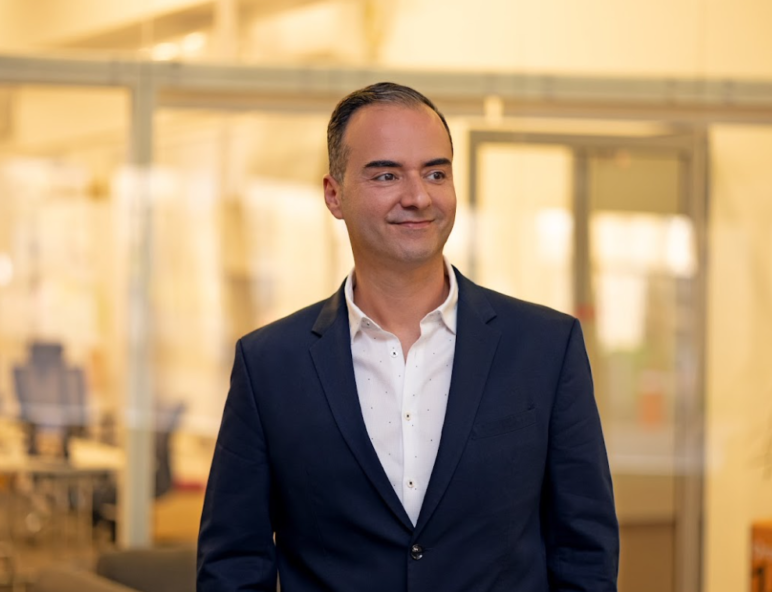
Empowering Businesses Across the MENA Region: Moataz Mukhaimer

Moataz Mukhaimer’s career is a testament to the power of evolution—both personal and professional. Starting from a foundation rooted in a family legacy of accounting, he has transformed that early exposure into a dynamic career spanning over two decades across the MENA region. Known for his sharp strategic mind and deep financial acumen, Mukhaimer has become a go-to advisor for organizations seeking clarity and direction in complex markets. Whether working with ambitious startups or established global brands, he brings a rare blend of regional insight and big-picture thinking, helping businesses unlock growth and navigate change with confidence.

In this candid interview, Mukhaimer reflects on the moments that sparked his passion, the values that guide his work, and the promising sectors reshaping the region’s future. His journey is not just one of professional growth—but of purpose, perspective, and a deep commitment to driving meaningful impact.

What inspired you to pursue a career in finance and business strategy?

To be honest, I didn’t initially choose accounting and finance, it just happened. My father and uncle studied accounting and went on to build a successful audit and consulting firm in Kuwait, so I naturally gravitated toward that path, wanting to follow in my father’s footsteps. However, it wasn’t until my MBA program at McGill University that I had a defining moment. I took a strategy class that gave us a case study to analyze, and that experience changed my perspective. The entire process of building an idea, challenging it, breaking it down, and finding solutions was fascinating. More importantly, I realized how closely intertwined strategy and finance were, which led me to decide that this was the direction I wanted to pursue, becoming a strategy and finance advisor.

What is one defining moment in your career that reinforced your passion for helping businesses grow?

There have been many memorable moments throughout my career, but one encounter in particular has stayed with me. A few years ago, I crossed paths with an entrepreneur I had previously mentored at an incubator in Jordan. We hadn’t spoken in a couple of years, but she approached me with something that truly resonated. She reminded me that I was the first person to candidly tell her team their original business model wouldn’t succeed but I also pointed out a small, overlooked element of their idea that, if refined, could evolve into a high-potential tech startup. That insight became the foundation of the company they eventually launched. Knowing that my advice helped shape their journey was deeply rewarding. Moments like these reaffirm why I’m so passionate about supporting entrepreneurs as they build and grow from the ground up.

You have worked across several countries in the MENA region, how has this experience influenced your perspective on business and finance?

The MENA region is incredibly unique and diverse, with each country having its own set of challenges and opportunities. One thing that stands out to me is how fast the region is evolving, with businesses constantly adapting to new economic realities. Working in the region has given me a deep understanding of the dynamics that drive local markets. For example, there are many external factors, like political changes or regulatory shifts, that can have a significant impact on businesses here. In addition to that, working across different countries has given me the opportunity to collaborate with a wide range of nationalities, both Arab and non-Arab, which has been invaluable in broadening my perspective. It’s not just about financial strategies; it’s about understanding the local context and how global trends intersect with the region’s economic landscape.

Being based in Amman but frequently traveling for work, how do you balance your professional and personal life?

This is always a tough one to answer! I don’t think balance is something that can be achieved perfectly every day. Some days I’m on top of it, and other days, I might drop the ball in one area. What I’ve learned is that balance is really about making conscious decisions every day. For me, both my work and personal life energize me. I absolutely love what I do, and at the same time, spending time with my family and friends is what keeps me grounded. I don’t view these aspects of my life as separate or in competition with each other; rather, I see them as complementary forces that work together to fuel my well-being. The key is finding harmony between the two.

What are some personal values or principles that guide your decision-making in business?

As I’ve grown in my career, I’ve come to realize how much my values shape the way I make decisions. The values that are most important to me are honesty, respect, empathy, and punctuality (This one is basically a pet peeve). I’ve learned that these principles define not only how I engage with others but also how I conduct business. When I see these values reflected in the people I work with, it creates a foundation of trust and collaboration that makes working together more meaningful. In my experience, when businesses and people operate from a place of integrity and mutual respect, success follows.

Who has been your biggest mentor or inspiration in your professional journey?

My father, who passed away years ago, was by far the most influential figure in my life. He wasn’t just a hardworking and successful professional; he was someone who lived with a strong sense of integrity and believed that nothing was impossible if you approached challenges with the right mindset. He used to always tell me, “For every challenge, there’s an opportunity if you look closely enough.” His unwavering optimism and work ethic continue to guide me in everything I do, both personally and professionally.

What are the most common financial and strategic challenges SMEs in the MENA region face?

One of the biggest challenges I see with SMEs in the region is the lack of a deep understanding of financial analysis and decision making. Many SMEs tend to view financial management as simply keeping track of their books and using accounting software, which is important but not enough for growth. To successfully scale, leaders need to understand the story behind the numbers—the implications of decisions and how they affect profitability, cash flow, and long-term sustainability. On the strategy front, many SMEs confuse operational goals or marketing plans with real strategy. Strategy is about long-term vision, competitive positioning, and risk management, yet many businesses overlook this. Additionally, external factors such as changing regulations, local market demands, and geopolitical issues are not always properly analyzed, which can lead to missed opportunities or unforeseen risks.

How do you customize financial and strategic solutions to fit the needs of different businesses, from SMEs to international brands?

The biggest difference between SMEs and larger international brands is resources—whether talent or capital. For SMEs, solutions need to be practical, customized to their specific challenges, and delivered quickly. They don’t have the time or budget for theoretical, high-level consulting reports; they need actionable steps they can implement immediately. The other aspect is the advisor-client relationship. With SMEs, the impact of an advisor is much more direct and relevant. I believe that if I’m not in a position to help them make a tangible difference, I should be honest and not take on the project. It’s about ensuring that the advice I give is tailored to their unique needs and circumstances.

With over 20 years of experience, what are the biggest changes you’ve witnessed in the MENA business landscape?

The MENA region has seen a rapid transformation, and one of the most significant shifts has been the role of technology. The rise of tech startups across sectors, from fintech to edtech, has completely reshaped the business landscape. In addition, we’re seeing an influx of venture capital and private equity firms entering the market, and government funds, especially in KSA, are playing an increasingly important role in driving innovation. One of the most striking changes, however, is the demographic shift. The region has one of the youngest populations in the world, which is driving demand for new jobs, businesses, and opportunities. The GCC, in particular, is positioning itself as a growth hub on the global stage, and businesses need to keep up with the rapid pace of change.

Having worked extensively in Kuwait and Bahrain, what unique challenges and opportunities do businesses in the GCC region face compared to other MENA markets?

The GCC region, characterized by high income levels and strong access to capital, offers a wealth of unique business opportunities. As the region moves away from its historical reliance on oil, there is a growing emphasis on emerging sectors such as technology, healthcare, and infrastructure, especially in dynamic markets like the UAE and Saudi Arabia. While this shift signals tremendous growth potential, it also brings challenges, particularly in addressing the shortage of skilled talent needed to sustain this rapid development. As a result, initiatives aimed at upskilling the local workforce and attracting international expertise are becoming increasingly vital. Looking ahead, the coming decade holds significant promise for the GCC, but capitalizing on these opportunities will require a thoughtful and strategic approach from businesses operating in the region.

How has your experience in the GCC shaped your approach to strategic and financial advisory for SMEs and international brands?

My experience in the GCC has been incredibly insightful and transformative. Over the last five years, I’ve noticed a significant shift in how businesses approach strategy and financial advisory. There’s been a clear demand from CEOs for more practical, localized solutions that are tailored to the unique challenges of the region. Many companies are moving away from one-size-fits-all, global solutions and are looking for more specific advice that takes into account the local market dynamics, cultural factors, and regulatory environment. This is exciting to see because it signals a more mature approach to strategic planning in the region. It’s all about understanding the context; what works in the GCC, what doesn’t, and how to help businesses navigate that landscape with agility.

With the GCC’s ongoing economic diversification efforts, what sectors do you see as the most promising for investment and business growth in the coming years?

While fintech continues to be a major player globally and in the GCC, I believe the sectors with the highest potential for growth in the coming years are edtech, healthtech, and proptech. These areas align with the region’s demographic shifts, particularly the growing youth population and the increasing demand for innovation in education, healthcare, and real estate. Additionally, infrastructure and logistics will see strong growth due to the region’s investments in urban development and regional connectivity. The future of business growth in the GCC will likely be built around these sectors, and there will be numerous opportunities for SMEs and startups to thrive in these spaces.

What are your future goals and aspirations as a strategic and financial advisor?

Looking ahead, one of my main goals is to leverage technology to scale my impact. I believe in the power of technology to extend the reach of my consulting services and to make my expertise more accessible to businesses in the region. In particular, I’m working on productizing my knowledge and offering it through digital platforms to help more SMEs and entrepreneurs. I’m also deeply committed to continuing to share knowledge through my podcast, “7aki Business,” where I discuss key business topics such as valuation, pricing, and digital transformation.

Reverse Stress Testing: Fortifying Financial Resilience with AI and Advanced Analytics

Understanding the Need for Reverse Stress Testing

In today’s interconnected and volatile financial landscape, institutions face a growing array of risks, from systemic failures and geopolitical shocks to climate-related disruptions and macroeconomic instability. Proactive risk management is no longer a luxury but a necessity. Reverse stress testing (RST) has emerged as a critical tool in this context, enabling organizations to identify extreme but plausible scenarios that could jeopardize their business models. Unlike traditional stress testing, which evaluates resilience under predefined adverse conditions, RST takes a reverse-engineering approach. It starts with a hypothetical failure scenario and works backwards to determine the specific conditions and chain of events that could lead to such an outcome. This “reverse” perspective provides valuable insights into hidden vulnerabilities and potential tipping points.

The Importance of RST in Regulatory Frameworks

RST is an integral part of regulatory stress testing and the Internal Capital Adequacy Assessment Process (ICAAP). Key regulatory bodies emphasize its importance such as Bank of England’s Prudential Regulation Authority (PRA), European Banking Authority (EBA), Basel Committee on Banking Supervision (BCBS), Central Bank of UAE (CBUAE).

RST is increasingly gaining traction within the banking industry due to its proactive and out of the box thinking approach to risk management.

Leveraging AI to Enhance Qualitative Methods

RST incorporates qualitative expert assessment and quantitative methods to understand the plausibility of scenarios leading to adverse outcomes. Quantitative methods are crucial for adding rigour and precision to the process. 

For example, Monte Carlo simulations generate thousands of scenarios, providing a broad view of potential risks and allowing us to model the non-linear effects of financial systems and risk factors at the tail end of simulated scenarios. Generative Adversarial Networks (GANs) refine this by producing plausible but extreme financial shocks by capturing the systemic but hidden dependencies that standard methods can’t. Copula models simulate dependencies between risk factors, recognizing that shocks in one area can trigger volatile changes in others. At the same time, Synthetic Data Generation (SDG) helps simulate market conditions and customer behaviours under extreme circumstances. With limited real-world data on extreme events, SDG provides richer datasets for more accurate simulations. 

AI, machine learning, and synthetic data have big potential to play key roles in enhancing these methods.

Navigating the Complexities of RST Implementation

Implementing RST presents several challenges. Firstly, one needs to define the boundaries of realistic scenarios. Simulating extreme scenarios is crucial, but they must remain plausible and actionable. The challenge lies in striking the right balance.

Then there is a challenge in defining a predetermined failure scenario. It is subjective and can vary across institutions depending on their product and customer portfolio, and regulators often provide general guidance rather than specific definitions.

Lastly, developing feasible response plans based on RST findings is difficult. Although recovery and resolution plans are being worked upon, simulating the contributions of these plans and actions in the case of these extreme events represents another measurement challenge. Banks must integrate these insights into strategic decision-making while considering the likelihood of extreme events.

The SAS D[n]A Factory: Empowering Financial Institutions for a Resilient Future

The increasing frequency of systemic failures, sudden geopolitical changes, increasing amount of climate-related extreme events, and macroeconomic instability make reverse stress testing more important than ever. Backing RST with data and quantitative analysis is essential to overcome the inherent challenges and effectively integrate it into strategic decision-making. The SAS D[n]A Factory in the Middle East offers a crucial resource for institutions seeking to enhance their RST capabilities. Its focus on advanced analytics, AI, and synthetic data generation directly addresses the technical complexities of RST, enabling financial institutions to build more robust and resilient risk management frameworks. SAS’ recent acquisition of Hazy’s synthetic data generation capabilities is a game-changer, adding another layer of innovation. This feature empowers users to create robust, privacy-preserving scenarios using synthetic data, which, together with SAS Data Maker, create statistically accurate data points that can produce countless scenarios, helping customers better forecast outcomes. By providing access to innovative technologies and fostering AI expertise, the D[n]A Factory empowers institutions to navigate an uncertain financial landscape proactively.

Avoiding business interruption: Kaspersky advises how to prevent network outages

Network outages pose significant challenges for businesses, disrupting productivity, revenue streams and customer confidence. Kaspersky’s research shows that the majority of companies (71%) need between one and five hours to restore operations after an outage, while one in ten (12%) may require a full workday or even longer. Recognizing the impact and frequency of these outages, Kaspersky’s experts are providing strategies to help business prevent them. 

A network outage is a period of time when a network becomes unavailable or malfunctions, often due to hardware failure, software glitches, human error, or even natural disasters. Aging equipment, poor maintenance, or unexpected power surges are common culprits. Software bugs can also disrupt network functionality.

Human error is also a significant factor in network outages. Misconfigurations, improper handling of equipment, or accidental deletion of critical data can all lead to network downtime. Additionally, cyberattacks such as DDoS attacks or malware infections can compromise network security and cause disruptions. Environmental factors like natural disasters (storms or floods), accidents or power outages may also contribute to network outages. 

It is important for companies to have a plan in place to quickly and effectively restore their network after an outage occurs. Here are some steps that Kaspersky recommends businesses take, to recover from a network outage and protect themselves from future disruptions:

  1. Identify the cause. The first step in recovering from a network outage is to determine the root cause of the issue. This may involve troubleshooting hardware and software components, investigating recent changes or updates, and analyzing network logs.
  2. Communicate with all stakeholders. It is important to keep all relevant parties informed about the outage, including employees, customers, suppliers, and other partners. Clear and timely communication can help manage expectations and minimize the impact of the outage.
  3. Implement backup systems. To prevent future network outages, businesses should have redundant systems and backups in place. This may include backup servers, network equipment, and data storage solutions that can be activated in case of an outage.
  4. Monitor and test regularly. Monitoring and testing network infrastructure regularly can help identify potential issues before they lead to a full-blown outage. Companies should establish protocols for monitoring network performance, conducting regular tests, and implementing security measures to protect against cyber threats.
  5. Develop a comprehensive disaster recovery plan. A disaster recovery plan outlines the steps that need to be taken to restore the network in case of a major outage or disaster. This plan should include procedures for data backup and recovery, system restoration, and communication with stakeholders.
  6. Keep hardware up to date. It is essential to support network performance. Nearly a third of companies (31%) have low frequency or no formal replacement schedule for routers and Customer Premises Equipment (CPEs) that help provide secure access to the networks and enable connectivity between multiple locations.
  7. Use specialized solutions. To build reliable networks and maintain geo-distributed businesses, it’s recommended to use specialized solutions such as Kaspersky SD-WAN. This solution manages the entire corporate network from a single console, enhancing companies’ application performance and converging separate communication channels and network functions.

By following these recommendations, businesses can minimize the impact of network outages and ensure the continuity of their operations. It is important for companies to invest in reliable network infrastructure, implement best practices for network management, and have a solid plan in place to respond to outages and disasters. By taking proactive measures, businesses can protect themselves from the damaging effects of network downtime and maintain the confidence of their customers.

The AppGallery Gamers Cup and Yalla Ludo Return to Iraq for the Ultimate Yalla Ludo Friendly Cup, in Collaboration with Jetour Iraq

Dubai, United Arab Emirates, March 28 – The much-anticipated AppGallery Gamers Cup (AGC) returned to Iraq with the AGC-Yalla Ludo Friendly Cup on March 21, bringing together the wider gaming community. The event was organized in collaboration with Jetour Iraq and its exclusive distributor, Harlem for Commercial Agencies, a subsidiary of Harlem Group. This year’s tournament witnessed 64 players, carefully selected from a record-breaking 38,000 online registrations, compete in intense, back-to-back matches for a share of the $6,000 prize pool.

The tournament, featuring the popular Yalla Ludo game, highlights the increasing demand for competitive gaming experiences across the Middle East. It further strengthens HUAWEI AppGallery’s commitment to supporting the region’s thriving gaming ecosystem and fostering esports growth.

William Hu, Managing Director, Huawei Consumer Business Group, Middle East and Africa Eco-Development and Operation, added: “We are very proud of the success of the AGC – Yalla Ludo Friendly Cup. This event is part of our ongoing commitment to fostering esports in the region and connecting with passionate gaming communities. We are honored to collaborate with Yalla Ludo and Jetour, further strengthening our dedication to creating exciting opportunities for players and fans alike. This is just the beginning of many more initiatives to come, and we look forward to seeing the continued growth of esports in Iraq and beyond.”

Mohamed Majeed, Harlem Group Representative, also expressed gratitude for the opportunity to collaborate with Huawei at such a prestigious event. He highlighted Harlem Group’s commitment to innovation and support for digital advancements in Iraq. “Harlem Group has always been at the forefront of fostering technological progress in Iraq. We are proud to sponsor this event through Jetour Iraq.”

With its growing popularity, the AGC – Yalla Ludo Friendly Cup marks a significant milestone for esports in Iraq, reinforcing the region’s potential as a hub for competitive gaming.

As the esports community continues to expand, events like these play a crucial role in fostering talent and bringing gaming communities together.

This May, AlUla Welcomes ArabianWarrior: The Ultimate Obstacle Course Race

AlUla, Saudi Arabia – March, 2025 – The Arabian Warrior, the premier Middle Eastern obstacle course race (OCR) series, is set to make history with its highly anticipated event in AlUla. This groundbreaking event will take place amidst the breathtaking landscapes of one of Saudi Arabia’s most iconic historical sites, promising an unforgettable fusion of athleticism and cultural heritage.

Arabian Warrior AlUla 2025, marks a significant milestone in the region’s sporting history. Designed to showcase the strength, agility, and resilience of athletes whoembody the spirit of the Arabian Warrior, the event is expected to attract over 1,500 participants, including a number of globally recognized OCR athletes. The synergy between AlUla’s ancient heritage and the contemporary spirit of OCR will create a one-of-a-kind atmosphere for competitors and spectators alike.

Event Highlights:

  • Two Days of Thrilling Competition: Featuring elite 10km and 20km races for both men and women, with two further elite team races both 50km ultra-endurance format, a dynamic 5km team race, along with open categories for 5km, 10km, and 20km distances.
  • KSA Schools Championships: Encouraging youth participation with races for Under-13 teams and 13+ team competitions, fostering the next generation of OCR athletes.
  • Immersive Camping Experience: Participants can enjoy three nights under the stars with a range of glamping and traditional camping options. Discover Saudi and Nirvana Europe Tour Operators, both provide tailored travel packages for racers looking to explore AlUla beyond the event.
  • Vibrant Event Village: Daytime challenges, nighttime Desert BBQs, a Moonlight Cinema, and performances by one of Saudi Arabia’s top DJs will create an energetic atmosphere for attendees.
  • Epic Prize Purse: Prize money – to be announced soon – will be awarded across elite categories, drawing top talent from around the globe. 

The Arabian Warrior series has seen tremendous growth since its inception in 2024. Following the resounding success of events in Jeddah (December 2024), Riyadh (January 2025), and Half Moon Beach in Dammam (February 15, 2025), AlUla promises to elevate the series to new heights.

In partnership with AlUla Moments and the Saudi Sports for All Federation (SFA), Arabian Warrior continues to promote fitness, adventure, and community engagement across the Kingdom. This collaboration underscores Saudi Arabia’s commitment to hosting world-class sporting events and fostering a vibrant sports culture forall.

Whether you’re an elite athlete, a fitness enthusiast, or a spectator looking for an extraordinary experience, Arabian Warrior AlUla is not to be missed. Prepare to push your limits, embrace the spirit of adventure, and become part of a historic event in one of the world’s most awe-inspiring locations.

For more information and to register for the Arabian Warrior series visit www.arabianwarrior.me or email warrior@arabianwarrior.me.

The Green Blueprint: How the GCC’s Construction Industry is Shaping a Low-Carbon Future

In the rapidly evolving metropolitan centres of the GCC, the construction industry is undergoing a profound transformation. Towering skyscrapers and large-scale infrastructure projects continue to redefine the region’s landscape, but alongside this rapid expansion comes an urgent need for more sustainable and resilient building practices. Governments across the region are setting ambitious environmental targets, and the industry is responding with groundbreaking innovations in materials, technology, and regulatory frameworks.

From Concrete to Carbon-Conscious: Innovating for Net-Zero

For the GCC, achieving net-zero buildings is a growing priority that is key to reducing energy demand and ensuring long-term sustainability. With air conditioning accounting for a significant portion of energy use, the region is uniquely motivated to lead in passive cooling and renewable energy integration. The adoption of high-performance insulation, on-site renewable energy generation and smart building technologies can significantly reduce operational emissions. A key challenge remains in demonstrating that sustainability and premium development can coexist an approach that is increasingly gaining traction.

As an example, concrete, responsible for a significant amount of global CO₂ emissions, has long been the backbone of GCC construction. However, innovative alternatives like Low Carbon Alternative Cement are gaining traction, particularly in the standardization processes of various SDOs. This type of cement not only reduces carbon emissions and energy consumption associated with cement production, but also opens the door for enhancing the curing process through concrete admixtures. These admixtures improve the strength and durability of concrete, making it viable and sustainable choice for construction projects in the GCC. 

Printing the Future: How Technology is Reshaping Construction

The GCC is emerging as a leader in 3D printing technology, with the United Arab Amirates already home to several additively manufactured buildings. The UAE’s 3D-printed office in Dubai, the first of its kind, showcases how this technology can reduce waste while enabling the region’s signature intricate designs. The ability to combine sustainability with custom, high-performance structures make 3D printing a key enabler for the next-generation construction.

The extreme climate of the GCC presents operational challenges for traditional construction. Off-site, factory-based manufacturing including modular and prefabricated solutions offers a viable alternative. By shifting production to climate-controlled environments, these approaches enhance worker safety, minimise material waste and improve overall build quality.

Cooling Without Costing the Earth: Rethinking HVAC Systems

With cooling systems consuming up to 70% of energy in some GCC buildings, the shift to smart HVAC technologies isn’t just an environmental imperative – it’s a financial one. The transition to energy-efficient HVAC systems, integrated with renewable energy solutions, presents an opportunity to optimize energy use while maintaining indoor comfort standards. Advances in demand-driven cooling technologies play a crucial role in achieving broader decarbonization targets.

From Vision to Reality: Aligning Ambitions with Action

A decisive shift is now underway, driven by Saudi Vision 2030 and the UAE’s Net Zero 2050 strategy. These national commitments are more than aspirational – they are actionable blueprints for a sustainable future. By aligning industry capabilities with government ambitions, the GCC is setting a global benchmark for green construction.

In 2021, the UAE launched its “Net Zero by 2050 Strategic Initiative,” making it the first nation in the Middle East to set a target of achieving net-zero emissions by 2050. Similarly, Saudi Arabia announced its commitment to achieving net-zero greenhouse gas emissions by 2060 during the first Saudi Green Initiative Forum in 2021. These initiatives are not just about reducing emissions: they are about transforming economies and securing a sustainable future for generations to come.

Technological progress must be matched by a skilled workforce capable of implementing high-performance construction practices. Training and credentialing programs, such as those offered by the International Code Council (ICC), have the potential to help professionals gain the necessary credentials. These programs also equip them with the tools needed to effectively conduct their work on-site and apply codes, standards, and building safety regulations when designing structures and benchmarking to global practices. As market demand shifts toward sustainable and innovative ways of construction, the workforce readiness will be key to driving long term progress in the design, construction, operation and maintenance of buildings.

A Holistic Approach to Change

The GCC is at an inflection point. With major infrastructure projects and global events on the horizon, decisions made today will shape the region’s built environment for future generations. The shift from high-profile sustainable projects to industry-wide adoption of higher baseline standards will define the next phase of progress. This is particularly evident as we highlight the region’s accelerating transition towards more resilient, efficient and environmentally responsible construction practices. 

The GCC construction sector has long been recognized for its ambitious scale and expansive vision. The challenge ahead lies in ensuring that future growth is both economically robust and environmentally sustainable, which creates buildings that are not only visually iconic but also built to last in a low-carbon world. Leveraging the International Code Council (ICC) codes, standards and regulatory support tailored to the region’s specific challenges has helped governments and stakeholders in the region to create the necessary linkages between ambitious sustainability commitments and practical implementation.

By embracing innovation, translating ambitions into action, and investing in the workforce, the region can lead the world in creating a built environment that is as resilient as it is iconic.

Written by Mohamed Amer, Managing Director, ICC MENA

How to prevent WhatsApp account from being hacked: Kaspersky recommendations

User’s messaging app account might be of interest not only to jealous spouses and nosy coworkers, but also to cybercriminals. Stolen WhatsApp accounts are used for various types of criminal activity, ranging from spam distribution to sophisticated scam schemes. Cybercriminals constantly look for WhatsApp accounts and use various methods to gain access to them.

There are two ways cybercriminals can gain control of a WhatsApp account: they can add another device to an existing account using the “Linked devices” feature, or they can re-register the account on their own device as if the user had bought a new phone. In the first case, the user continues to use WhatsApp as usual, but the criminals also have access to all recent conversations. In the second case, the user loses access to their personal account. When trying to log in, WhatsApp notifies him that the account is already in use on another device, and the attackers can then control the account but not the past conversations.

“Messengers are a private space, as they often contain personal information about our lives and relationships with family and friends. They can also contain information about work and, in some cases, confidential information. If you notice any unusual activity, such as receiving replies to messages that you didn’t send, or if your friends complain about strange messages coming from your account, it’s important to take steps to protect your privacy immediately”, comments Seifallah Jedidi, Head of Consumer Channel, META, at Kaspersky. 

While you can check instruction on what to do in case WhatsApp account was already compromised, here are the key steps on how to avoid WhatsApp account to be hacked:

  • Enable two-step verification in WhatsApp and memorize your PIN — it’s not a one-time code. To do this, go to Settings → Account → Two-step verification.
  • Never, ever share your PIN or one-time registration codes with anyone. Only scammers ask for these details.
  • WhatsApp recently introduced support for passkeys. If you enable this option (Settings → Account → Passkeys), logging in to your account will require biometric authentication, and instead of PIN codes, your smartphone will store a long cryptographic key. This is a very secure option, but it may not be convenient if you frequently change devices and switch between Android and iOS.
  • Set up a backup email address for account recovery: Settings → Account → Email address.
  • If you’ve already added an email address, log in to your email account and change your password to a strong, unique one. To store it securely, use a password manager, such as Kaspersky Password Manager.
  • Enable two-factor authentication for your email account.
  • Make sure you haven’t fallen victim to a SIM swap scam. Contact your mobile carrier — preferably in person — and verify that no duplicate SIM cards have recently been issued for your number. Also, make sure there’s no unauthorized call-forwarding set up on your number. Cancel any suspicious changes and ask the staff about additional security measures for your SIM card. These may include prohibiting SIM-related actions without your being present, an extra password required for authentication, or other protections. Available security measures vary significantly by country and mobile carrier.

Any security measures in WhatsApp will be of little use if your smartphone or computer is infected with malware. Therefore, be sure to install comprehensive protection like Kaspersky Premium on all your devices. During the Holy month of Ramadan anyone who purchases Kaspersky Premium solution, will receive a 30% discount. Moreover, the offer includes complimentary 1-month OSN Plus Subscription with unlimited access to a vast catalogue of top series and movies in stunning 4K – completely ad-free anytime, on any device. 

Crypto Markets Rebound from November Lows as Ripple Gains DFSA Approval for Regulated Payments

by Simon Peters, Crypto Analyst at eToro

Ripple Secures DFSA Approval for Regulated Crypto Payments and Services


Ripple has recently achieved a significant milestone by securing regulatory approval from the Dubai Financial Services Authority (DFSA), positioning it as the first blockchain payments provider to be licensed in the Dubai International Financial Centre (DIFC). This approval marks a key development for Ripple, enabling fully regulated cross-border crypto payments in the UAE, Simon Peters, Crypto Analyst at eToro commented.

With this achievement, the UAE will benefit from faster, more affordable, and transparent crypto transactions. The utility of such payment systems is expected to drive increased adoption of stablecoins in the region. Stablecoins offer real-time settlement capabilities, significantly reducing the processing time compared to traditional banking systems, which often take several days for cross-border transactions.

Ripple’s RLUSD stablecoin, which was launched globally in late December, has already exceeded $130 million in market capitalization.


Crypto Markets Experience a Rebound


After hitting their lowest levels since early November 2024, crypto markets have begun to recover. The total market capitalization fell to $2.44 trillion on Tuesday, but has since risen to $2.69 trillion. Bitcoin, in particular, saw its value dip to $76,600 before optimism was sparked by cooler-than-expected inflation data from the US, giving risk assets some much-needed relief. Simon Peters, Crypto Analyst at eToro said.


The focus now shifts to the upcoming interest rate decision on Wednesday, where the US Federal Reserve is expected to maintain rates at 4.5%. However, Fed Chair Jerome Powell’s subsequent press conference may provide crucial insights into future monetary policy and interest rate projections.

The Fed faces the challenge of reducing inflation to target levels without triggering a recession. Complicating matters further, tariffs imposed by President Trump could hinder economic growth and drive prices higher.

UAE Stocks Shine as Global Dividends Hit Historic $1.75 Trillion, Offering Stability and Returns

Dubai, UAE – March 13, 2025 Global dividends surged to a record $1.75 trillion in 2024, marking a 6.6% increase, reinforcing the growing significance of income-focused investing. Among the 17 countries that set new dividend payout records was the UAE, solidifying its position as a leading investment destination. UAE-listed stocks, known for offering stability alongside strong returns, continue to attract investors with their consistent focus on shareholder rewards.

As we enter 2025, UAE companies remain committed to rewarding their shareholders, with compelling opportunities arising across the banking, energy, and real estate sectors. This growth underscores the UAE’s ability to keep pace with global markets.

Josh Gilbert, Market Analyst at eToro, emphasized the remarkable performance of the UAE financial sector, stating, “The financial sector has been a standout performer, with UAE banks benefiting from higher interest rates and economic expansion. Abu Dhabi Islamic Bank (ADIB), for instance, raised its dividend payout to 50% of its annual profit, reflecting the sector’s robust earnings growth.”

Energy companies have also made a significant impact, with ADNOC Gas announcing a $3.41 billion dividend, driven by high oil prices and a commitment to 5% annual dividend growth. The real estate sector has equally delivered, with Emaar Properties doubling its dividend to AED 8.8 billion, backed by record property sales and strong market demand. These sectors, supported by solid fundamentals, are providing investors with an attractive mix of income and stability.

For income-focused investors, dividends are more than just an added benefit—they form a core part of a long-term investment strategy. Steady payouts create a reliable cash flow and provide the potential for compounding returns over time. The fact that UAE companies continue to prioritize shareholder returns highlights the resilience of the local market. However, the sustainability of such dividends remains a topic of discussion.

Josh Gilbert further explained, “While 2024 saw record dividend distributions, certain increases, such as Emaar’s 100% payout of its share capital, may not be repeated annually. These sectors are cyclical, and dividends could fluctuate with market conditions.”

Gilbert also pointed to examples from global markets, citing Australia’s leading miners like BHP and Rio Tinto, which recently slashed their payouts following record highs due to a drop-in iron ore price. Nevertheless, the underlying strength of UAE companies suggests their dividend payouts will remain competitive.

“The power of dividends is often underestimated by investors, particularly in the early stages of their investment journey. Compounding is key, which is why we stress the importance of starting early and staying consistent with investments,” added Gilbert. “While dividend-paying stocks may not see rapid growth due to payouts, they offer more stability and lower volatility, making them ideal for long-term income-focused investors.”

Looking ahead, the UAE’s dividend momentum remains strong, bolstered by corporate profitability, government policies, and continued investor demand. Whether seeking high yields or additional income from a diversified portfolio, the UAE presents a market well worth watching.